
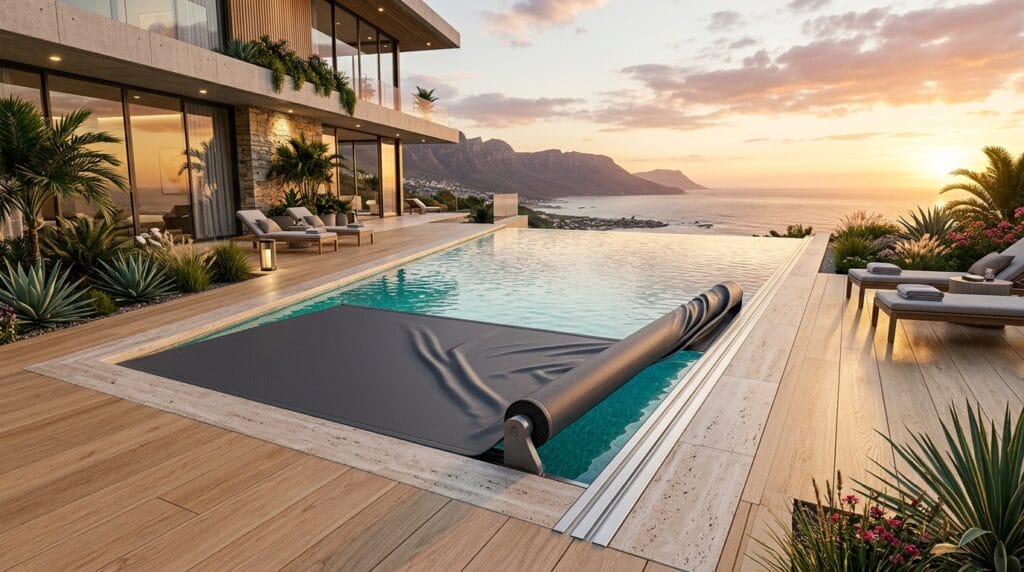
In 2026, the modern backyard has evolved, and homeowners are increasingly questioning if an automatic pool cover is worth the significant upfront investment. While once considered a high-end luxury, these systems have become a standard essential for new builds, blending safety with sophisticated design. For most owners, the decision hinges on whether the five-figure price tag translates into tangible long-term value for their property and lifestyle.
The true return on investment extends far beyond aesthetics or the convenience of a button. By drastically reducing evaporation and heat loss, these covers function as a giant solar blanket that reduces monthly utility bills and chemical consumption. When you factor in the peace of mind regarding child safety and the reduced hours spent on maintenance, the financial and emotional benefits often outweigh the initial costs.
Key Takeaways
- An automatic pool cover provides a substantial return on investment by reducing monthly heating costs by up to 70% and chemical consumption by 35% to 60%.
- The system functions as a critical safety barrier and ‘horizontal fence’ that supports the weight of adults, offering superior protection for children and pets while potentially lowering insurance premiums.
- By acting as a seal against debris and UV rays, these covers significantly extend the lifespan of pool pumps, filtration systems, and interior finishes like vinyl or plaster.
- While the upfront cost ranges from $15,000 to $25,000, the long-term savings in water, energy, and maintenance labor transform the system from a luxury add-on into a standard financial asset.
Analyzing The Upfront Cost Versus Long-Term ROI
Deciding whether an automatic pool cover is worth the investment requires looking past the initial price tag of $15,000 to $25,000 and examining the long-term financial outlook. While the upfront cost is significant, this equipment functions as a thermal blanket that drastically reduces heat loss and water evaporation. By trapping heat overnight, homeowners can save up to 70 percent on monthly heating costs, effectively shortening the time it takes for the system to pay for itself. These operational savings turn a high-end luxury into a practical utility that offsets its own installation costs over several seasons.
Beyond energy efficiency, the reduction in chemical consumption and water evaporation provides a consistent return on investment. Because the cover prevents UV rays from depleting chlorine and stops debris from entering the water, chemical usage typically drops by 35 to 60 percent. This creates a cleaner environment with less strain on filtration systems, leading to lower maintenance costs and fewer equipment repairs over time. When you factor in the thousands of gallons of water saved from evaporation, the system serves as both a financial asset and a sustainable choice for modern pool owners.
The ultimate value of an automatic cover is found in the intersection of safety and convenience, which are often considered priceless by families. The ability to secure a pool at the touch of a button provides a layer of protection that manual covers simply cannot match, potentially lowering homeowners insurance premiums in some regions. While periodic fabric replacements and mechanical tune-ups are necessary expenses, they are minor compared to the cumulative savings in energy and chemicals. In the current market, these systems are no longer viewed as optional add-ons but as essential tools for maximizing the lifespan and enjoyment of a backyard investment.
Quantifying Safety Benefits And Liability Protection
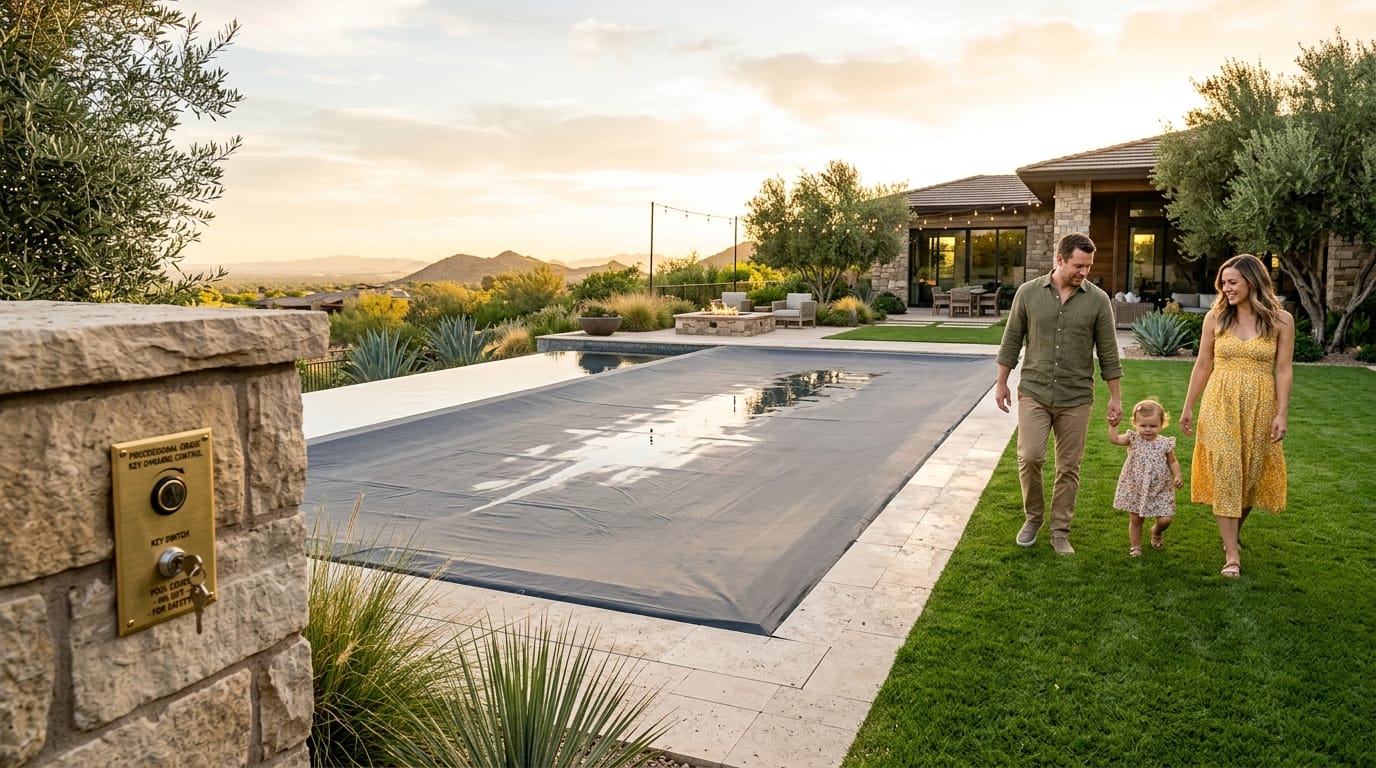
When calculating the true worth of an automatic pool cover, the most significant return on investment is often found in the non-negotiable realm of safety. These systems function as a durable horizontal fence, creating a physical barrier that can support the weight of several adults and effectively sealing the water from children or pets. Unlike manual covers that are frequently left off due to the physical effort required, an automatic system is deployed with the turn of a key or the touch of a button. This ease of use ensures that the pool is secured every single time it is not in use, providing a level of protection that a traditional perimeter fence simply cannot match. By eliminating the risk of accidental submersion, homeowners gain a sense of security that far outweighs the initial installation cost.
Beyond the immediate safety of your family, an automatic pool cover serves as a critical layer of liability protection for the property owner. In many jurisdictions, a certified safety cover can satisfy stringent local building codes and insurance requirements, potentially lowering homeowner insurance premiums over time. By proactively mitigating the risk of unauthorized access or attractive nuisance incidents, you are protecting your financial assets from the costs of legal disputes or medical emergencies. This investment transforms the pool from a potential liability into a controlled and secure environment, reinforcing the home’s long term value. For those looking to maximize security, professional pool fencing in Los Angeles provides an additional layer of defense that complements these automated systems perfectly. Ultimately, the peace of mind that comes from knowing your backyard is impenetrable is a primary factor in why these covers are now considered an essential standard for modern high end builds.
Impact On Pool Maintenance And Equipment Longevity
The long term value of an automatic pool cover is often realized through the significant reduction in daily maintenance tasks and the preservation of expensive hardware. By acting as a horizontal seal, these covers prevent leaves, dirt, and organic debris from ever entering the water column. This physical barrier prevents the accumulation of sludge that typically clogs skimmer baskets and puts undue stress on the pool pump. When the pump operates without the resistance of trapped debris, it runs more efficiently and experiences less mechanical wear over time. Consequently, homeowners often find that their filtration systems last years longer than those on uncovered pools, effectively offsetting the initial investment of the cover.
Beyond debris management, the UV protection provided by a high quality automatic cover is a critical factor in extending the lifespan of pool finishes and liners. Constant exposure to direct sunlight and harsh ultraviolet rays can cause vinyl liners to become brittle and plaster finishes to fade or crack prematurely. By keeping the pool covered when not in use, you shield these surfaces from solar degradation and maintain the structural integrity of the pool vessel. This protection also stabilizes water chemistry, as UV rays are responsible for the rapid depletion of chlorine. With more consistent chemical levels, the interior surfaces of the pool are less likely to suffer from the scaling or etching that often occurs during chemical imbalances.
The financial worth of an automatic cover becomes even more apparent when evaluating the operational duty cycle of your sanitation equipment. Salt cells and chlorine generators have a finite lifespan based on their total hours of operation, and a covered pool requires significantly less chemical production to stay sanitary. Because the cover prevents evaporation and blocks the sun, the system does not have to work as hard to maintain a safe swimming environment. This reduced workload extends the replacement interval for expensive electrolytic cells and sensitive sensors within the automation system. Ultimately, the cover serves as a protective shield for the entire ecosystem of the pool, ensuring that every component from the heater to the filter operates under optimal conditions. Professional pool equipment installation ensures that these advanced systems are integrated correctly to maximize their lifespan and efficiency.
Is an Automatic Pool Cover Worth It?
Ultimately, determining if an automatic pool cover is worth the investment requires looking beyond the initial price tag to the long-term value it adds to your home and lifestyle. While the upfront expenditure for a modern system is significant, the combination of safety and drastic reductions in operational costs creates a compelling financial case. Homeowners often find that the system pays for itself over time through decreased spending on water, chemicals, and heating energy. Beyond the data, the peace of mind provided by a reinforced safety barrier is an intangible benefit that many families find indispensable. This transition from a luxury add-on to a standard essential reflects a shift toward smarter, more sustainable backyard management.
Maximizing the efficiency of your outdoor space involves balancing technology with expert design to ensure every component works in harmony. Integrating an automatic cover into a comprehensive property plan ensures that your pool remains a source of relaxation rather than a constant maintenance burden. By reducing evaporation and keeping debris out, these covers preserve the integrity of your equipment and the clarity of your water for years to come. If you are wondering is pool automation worth it, professional backyard remodel services are designed to help you achieve your goals. These services help you create a modern, cost-effective oasis that stands the test of time.
Frequently Asked Questions
1. What is the typical upfront cost for an automatic pool cover installation?
You can expect to invest between $15,000 and $25,000 for a professional installation. While this is a significant initial expense, the system functions as a long term financial utility rather than just a luxury add on.
2. How much can I expect to save on heating and utility bills?
An automatic cover acts as a thermal blanket that traps heat overnight and prevents evaporation. This efficiency allows you to reduce your monthly heating costs by up to 70 percent, making the system pay for itself over several seasons.
3. Will an automatic pool cover reduce my chemical and water usage?
Yes, you will see a dramatic reduction in maintenance costs because the cover blocks UV rays from depleting chlorine and prevents water evaporation. Chemical consumption typically drops by 35 to 60 percent, which also puts less strain on your filtration equipment.
4. Does an automatic pool cover replace the need for a pool fence?
While local building codes vary, these covers provide peace of mind by creating a physical safety barrier that supports the weight of an adult. They offer a sophisticated safety solution that protects children and pets more effectively than a standard solar cover.
5. How does the cover impact daily pool maintenance?
The system significantly reduces the hours you spend cleaning because it keeps debris, leaves, and dirt out of the water. By maintaining a cleaner environment automatically, you spend less time on chores and more time enjoying your backyard.
6. Is an automatic pool cover worth the investment for a new pool build?
For most modern homeowners, the combination of energy savings, enhanced safety, and reduced maintenance makes it a standard essential. The long term return on investment through lower utility bills and increased property value justifies the five figure price tag.