
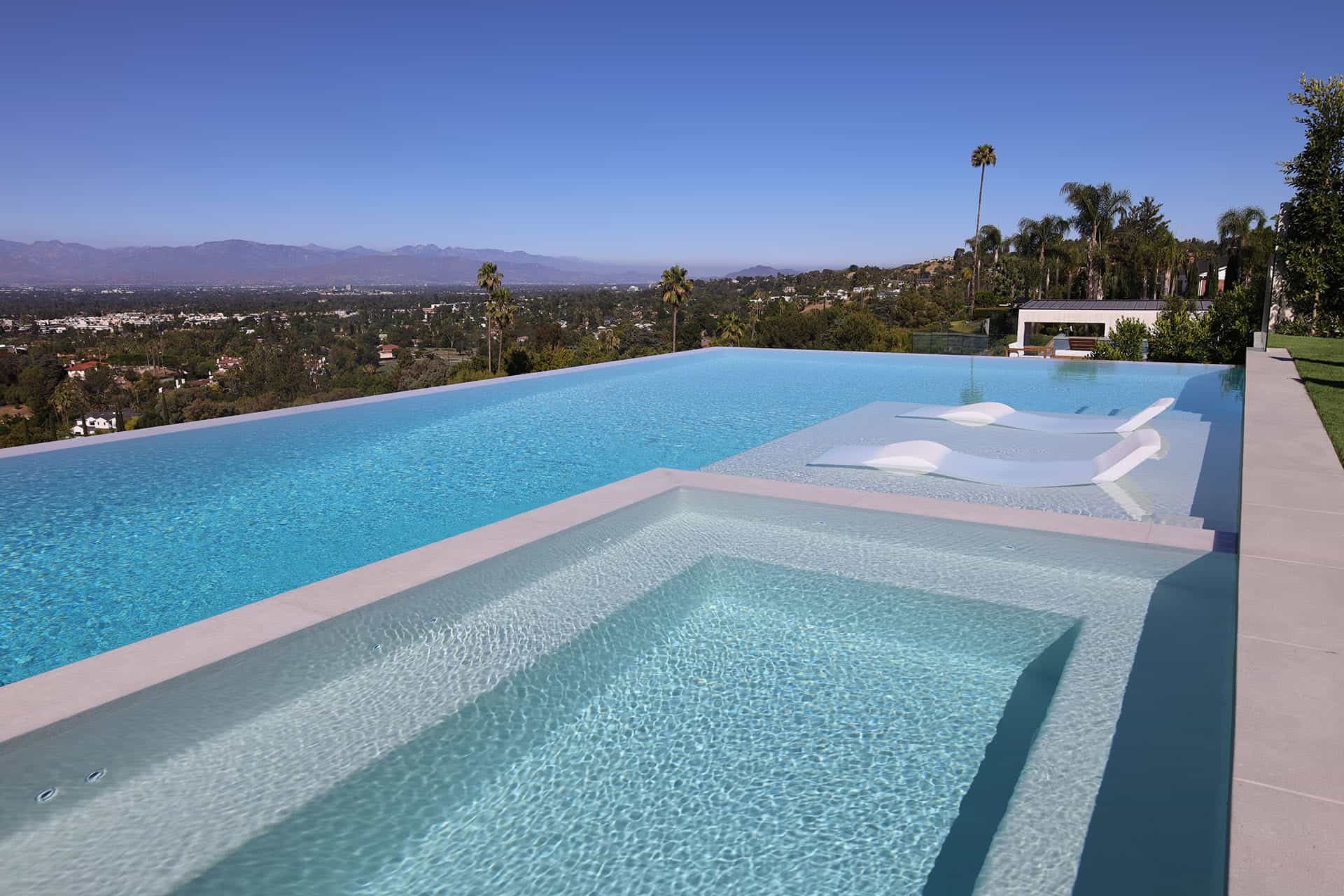
In 2026, the edge of your pool is no longer just a functional safety barrier; it is the definitive design element that bridges your water’s surface with your entire outdoor sanctuary. Choosing the right finish requires a detailed pool coping material comparison to balance the modern demand for large-format aesthetics with long-term structural integrity. Homeowners are looking past basic utility, prioritizing premium textures and eco-responsible materials that can withstand the elements while making a bold architectural statement.
The current market favors high-performance surfaces like porcelain and natural stone that offer both slip resistance and a seamless, resort-style transition. Whether you are drawn to the sleek, cantilevered look of low-carbon concrete or the timeless elegance of oversized travertine, your choice impacts your backyard’s maintenance requirements and overall value. Selecting the perfect material ensures your investment remains a durable, stunning focal point for years to come.
Key Takeaways
- The 2026 design standard prioritizes large-format materials like natural stone and porcelain to create a seamless, resort-style transition between the water and the outdoor living space.
- Natural stone offers superior heat resistance and organic beauty but requires periodic sealing, whereas modern porcelain provides a low-maintenance, non-porous alternative that excels in durability and slip resistance.
- Precast concrete and interlocking pavers offer greater structural longevity and repairability compared to poured concrete, as their modular nature better accommodates ground movement and thermal expansion.
- Selecting the ideal coping material requires balancing upfront costs against long-term maintenance, with high-performance surfaces like porcelain often providing the best overall value through reduced upkeep.
Analyzing Natural Stone Versus Porcelain Performance
Natural stone continues to be a premier choice for homeowners seeking a high end, resort style aesthetic that blends seamlessly with the outdoor landscape. Travertine and limestone are particularly popular in 2026 for their unique textures and ability to remain cool under the foot even in peak summer heat. These materials offer a timeless organic beauty, though they do require periodic sealing to maintain their integrity against pool chemicals and salt. For those prioritizing a luxury feel, large format stone slabs create a sophisticated, seamless edge that enhances the overall scale of the pool area.
Modern textured porcelain has emerged as a formidable rival to natural stone by offering superior durability with significantly less maintenance. Engineered to mimic the appearance of marble or limestone, these porcelain tiles provide a consistent look that does not fade or wear over time. The primary advantage of porcelain lies in its high slip resistance and non porous nature, which prevents moisture absorption and reduces the risk of frost damage. Homeowners often select this material when they want a contemporary, clean lined finish that stays looking new for years without the need for intensive upkeep.
Choosing between these two premium options ultimately depends on the balance between character and convenience for your specific renovation project. Natural stone offers an unmatched, one of a kind variation that many find essential for a high end outdoor living space. Conversely, porcelain provides a high performance alternative that excels in safety and longevity, making it ideal for high traffic family pools. Both materials reflect the 2026 trend toward expansive, high quality surfaces that bridge the gap between functional pool coping and sophisticated architectural design.
Poured Concrete Versus Precast Coping Durability
Poured concrete remains a popular choice for homeowners seeking a seamless, cantilevered edge that blends the pool deck directly into the water line. This method offers a clean and modern aesthetic by eliminating visible joints, which creates a sleek look that is highly desirable in current architectural designs. While the initial installation cost is often lower than modular alternatives, the long term durability depends heavily on the skill of the installer and the quality of the low carbon concrete mix used. However, because the coping is tied directly to the deck, it is more susceptible to surface cracking over time due to ground movement or thermal expansion. Homeowners choosing this route should prioritize regular sealing and maintenance to protect the finish from chemical wear and environmental stressors.
Precast concrete coping offers a more robust and modular solution for those prioritizing structural consistency and uniform profiles. These units are manufactured in a controlled environment, resulting in a higher density and greater compressive strength than traditional poured options. This manufacturing process ensures that each piece meets exact specifications, which is essential for achieving the precise geometric lines favored in contemporary pool builds. Because precast systems utilize expansion joints between each segment, they can better accommodate the natural shifting of the earth without showing visible damage. While the upfront investment is slightly higher, the reduced risk of structural cracking and the ease of replacing individual units make it a highly cost effective option for long term property value.
Comparing Interlocking Pavers And Traditional Brick
Interlocking paver systems have gained significant traction in contemporary pool design due to their exceptional repairability and structural flexibility. Unlike rigid surfaces, these pavers are installed over a sand or gravel base, allowing the unit to shift slightly with ground movement or temperature fluctuations without cracking. If a specific area becomes stained or a utility line requires maintenance beneath the deck, individual pavers can be removed and replaced without disturbing the surrounding installation. This modularity makes them a highly practical choice for homeowners who prioritize long term maintenance and the ability to address localized wear and tear. Furthermore, modern interlocking systems offer a wide variety of textures and colors that can mimic more expensive natural materials while maintaining a consistent and durable surface.
Traditional brick coping continues to be a favorite for those seeking a timeless, classic aesthetic that complements a variety of architectural styles. While brick was once considered more porous and susceptible to salt damage, updated sealant technologies have revolutionized its performance in poolside environments. These advanced penetrating sealers protect the brick from moisture absorption and chemical erosion, ensuring the deep reds and earthy tones remain vibrant for decades. The bullnose edge of a brick installation provides a comfortable, smooth transition into the water that is difficult to replicate with other materials. When professionally installed with high quality mortar and modern protective coatings, brick offers a sophisticated and enduring finish that bridges the gap between heritage design and modern durability.
Choosing between these two materials often comes down to the balance of functional versatility versus stylistic consistency. Interlocking pavers are ideal for sprawling outdoor living spaces where the pool edge must integrate seamlessly with a larger patio or walkway. Brick remains the gold standard for creating a distinct border that frames the water, providing a clear visual anchor for the entire backyard. Both options now benefit from improved manufacturing processes that enhance slip resistance and thermal performance, staying cooler under the sun than older iterations. Ultimately, the decision rests on whether you value the easy individual unit replacement of pavers or the iconic, high contrast look of a traditional masonry border.
Material Cost And Maintenance Matrix Analysis
Selecting the right pool coping requires a careful balance between your immediate construction budget and the long-term labor required to keep the water feature pristine. Natural stone options like oversized travertine and limestone remain the gold standard for luxury aesthetics, typically ranging from sixty to eighty dollars per linear foot. While these materials offer unmatched beauty and a resort style feel, they do require periodic sealing to protect against chemical erosion and weather related wear. Homeowners who prioritize a high end look must account for these recurring maintenance costs when calculating the total value of their investment over time.
For those seeking a more modern and low maintenance alternative, porcelain and precast concrete have emerged as top contenders in the current market. Porcelain is particularly popular for its ability to mimic high end marble while offering an incredibly durable, non porous surface that resists staining and fading. These manufactured options often fall in the fifty to seventy five dollar range, providing a mid tier price point with significantly lower upkeep requirements than natural stone. By choosing a material with a high durability rating, you can reduce the frequency of professional cleanings and repairs, making it an economically savvy choice for a long term residence.
Budget conscious projects often lean toward poured concrete or interlocking pavers, which provide a clean finish at a more accessible price point. If you are planning a comprehensive pool remodel, poured concrete is favored for its seamless, cantilevered appearance, though it requires vigilant monitoring for small cracks that can develop as the ground shifts. Pavers offer a versatile look and are easier to repair individually, but the joints between them may require occasional weeding or sand replenishment. Evaluating these materials side by side allows you to decide whether you prefer a lower upfront cost or a maintenance free lifestyle that pays dividends in saved time and effort.
Choosing Your Ideal Pool Coping Material
Selecting the ideal pool coping material requires a careful balance between your aesthetic vision and the practical demands of your local environment. If you are designing a high end resort style space in a warmer climate, natural stone like travertine remains a top choice due to its heat resistance and timeless appeal. For those prioritizing a sleek, modern look with minimal upkeep, porcelain and precast concrete offer the durability and uniform profiles necessary for contemporary geometric designs. Ultimately, your choice should harmonize with your pool deck installation to create a seamless transition that enhances both the safety and the beauty of your outdoor oasis.
Regional weather patterns play a significant role in determining which finish will stand the test of time. Homeowners in areas prone to freeze thaw cycles should lean toward the high density and low porosity of porcelain or premium pavers to prevent cracking and salt damage. Meanwhile, if you are looking for a cost effective and versatile solution, low carbon poured concrete allows for a cantilevered edge that provides a clean, integrated finish. No matter your preference, ensuring the material is rated for slip resistance and treated for longevity will protect your investment for years to come.
Deciding on the perfect edge for your renovation involves navigating various costs, textures, and installation methods. Professional backyard remodel services are designed to help you achieve your goals by providing expert guidance on material selection and professional installation. Whether you are interested in large format stone or the latest eco responsible concrete options, expert consultants can help you remodel pool coping to make your pool stand out and find the perfect fit for your lifestyle. Explore this guide to pool renovation today to discover how you can transform your pool area into a stunning and functional retreat.
Frequently Asked Questions
1. Why is the choice of pool coping so important for my backyard design?
Your pool coping serves as the definitive design element that bridges the water surface with your outdoor sanctuary. It acts as both a functional safety barrier and a bold architectural statement that dictates the overall aesthetic and value of your property.
2. Which coping materials stay the coolest in direct sunlight?
Natural stones like travertine and limestone are the premier choices for temperature regulation. These materials feature unique textures that remain comfortable underfoot even during the peak heat of summer.
3. How does porcelain compare to natural stone in terms of maintenance?
Modern textured porcelain offers superior durability with significantly less maintenance than stone. While natural stone requires periodic sealing to protect against chemicals, porcelain is engineered to resist fading and wear without intensive upkeep.
4. What are the benefits of using large format slabs for pool edges?
Large format slabs create a sophisticated, seamless edge that enhances the scale of your pool area. This resort style transition reduces visible grout lines and provides the sleek, modern aesthetic currently favored in high end outdoor design.
5. Is natural stone durable enough to handle pool chemicals and salt?
Natural stone is highly durable, but you must commit to periodic sealing to maintain its structural integrity. This protective layer prevents damage from salt and pool chemicals, ensuring your investment remains a stunning focal point for years.
6. What should I consider if I want a modern, cantilevered look?
For a sleek and cantilevered appearance, low carbon concrete is an excellent choice for 2026. This material allows you to achieve a minimalist aesthetic while prioritizing eco responsible construction and long term structural integrity.
7. How do I ensure my pool coping provides enough safety for my family?
You should prioritize high performance surfaces like textured porcelain or natural stone that offer built in slip resistance. Selecting materials with these premium textures ensures your pool edge remains a safe transition point without sacrificing style.