
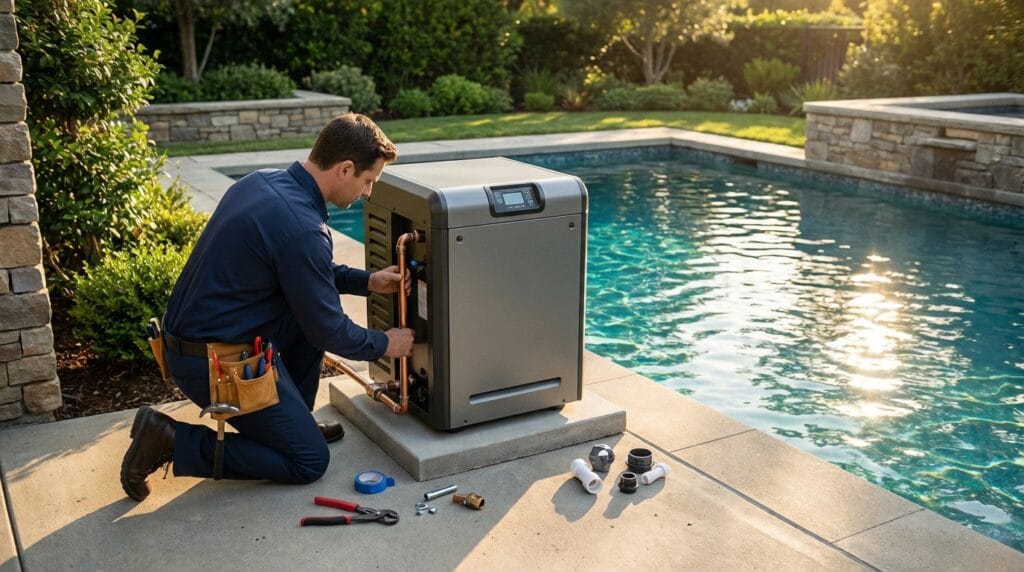
Imagine reclaiming those chilly early mornings and crisp autumn evenings that usually signal the end of your swimming season. Adding a heater to your backyard oasis transforms a seasonal luxury into a year-round retreat, but the process involves more than just plugging in a new machine. This pool heater installation guide helps you understand critical decisions regarding equipment compatibility, local utility requirements, and long-term energy efficiency to ensure your water stays perfectly warm.
Choosing between the rapid heating of gas, the steady efficiency of a heat pump, or the sustainable power of solar requires a clear understanding of your local climate and budget. While a gas heater can warm your pool in under a day, a heat pump offers significant monthly savings for those in milder regions. By planning your installation with a focus on both performance and operating costs, you can maximize your investment and enjoy a comfortable swim regardless of the forecast.
Key Takeaways
- Gas heaters provide rapid, on-demand heating for quick temperature spikes, while electric heat pumps offer superior long-term energy savings in climates where air temperatures remain above fifty degrees.
- Correct equipment sizing depends on a technical calculation of surface area and ambient temperature differences to prevent excessive component wear and high utility bills.
- Professional installation is essential to navigate complex gas line pressures, dedicated electrical circuits, and safety bonding requirements that ensure system reliability and warranty protection.
- Integrating heaters with modern automation systems and professional calibration synchronizes flow rates and schedules heating for off-peak hours to maximize operational efficiency.
Choosing Between Gas Heaters And Heat Pumps
Deciding between a gas heater and a heat pump is a critical step in upgrading your pool equipment to ensure year-round comfort. Gas heaters, which utilize either natural gas or propane, are the industry standard for rapid performance and on-demand heating. These units are capable of raising your water temperature significantly in a matter of hours, making them the superior choice for homeowners who want to heat their pool or spa quickly for a weekend gathering. While they offer unmatched speed and function perfectly in colder ambient temperatures, they generally come with higher monthly utility costs due to the price of fuel.
Electric heat pumps offer a sophisticated alternative for pool owners who prioritize long-term energy efficiency and consistent water temperatures. These systems work by extracting heat from the surrounding air and transferring it to your pool water, requiring much less electricity than traditional resistance heaters. Because they rely on ambient air temperature, they are most effective in climates where the air stays above fifty degrees. Although the initial heating process is slower than gas, the substantial savings on your monthly energy bill often make a heat pump a cost-effective upgrade for daily swimmers.
Integrating a new heating system into your existing pool setup requires a professional assessment of your current utility lines and equipment pad space. Upgrading from an unheated pool to a heated one often involves specialized electrical or gas line installations to meet local safety codes. Choosing the right technology depends on whether you value the instant gratification of gas or the sustainable, low-cost operation of a heat pump. By matching the equipment to your specific usage patterns, you can successfully extend your swimming season and maximize the value of your backyard investment.
Sizing Your Heater For Maximum Efficiency
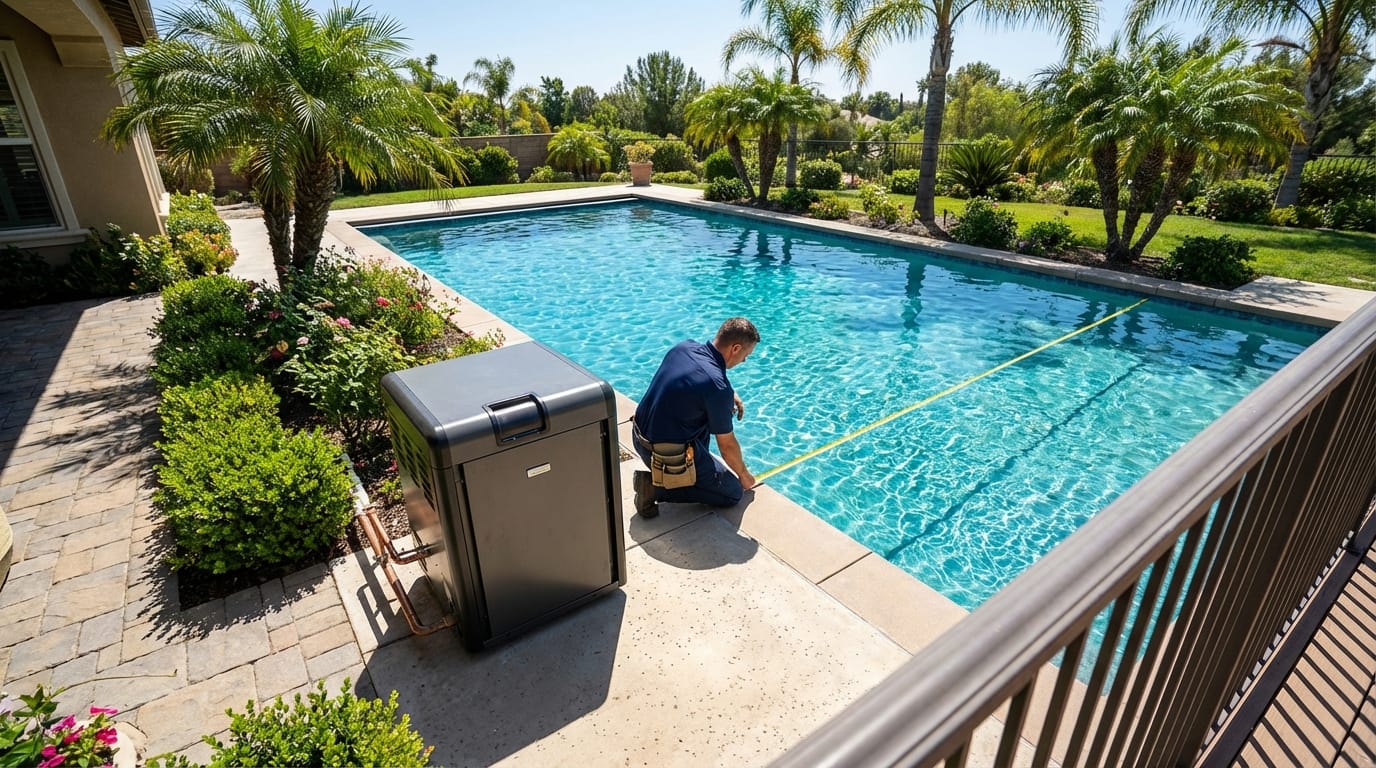
Selecting the correct heater size is a technical calculation that requires more than just a glance at your pool’s gallon capacity. To achieve maximum efficiency, you must first determine the surface area of your pool in square feet and evaluate the average temperature difference between the air and your desired water setting. A heater with a British Thermal Unit (BTU) rating that is too low will struggle to maintain warmth, leading to excessive wear on the internal components and higher utility bills. Professional assessments ensure that your equipment is powerful enough to overcome heat loss caused by wind and evening temperature drops.
Climate plays a pivotal role in equipment selection, especially for homeowners looking to upgrade their existing systems for year-round comfort. In regions with significant humidity or frequent cold snaps, a higher BTU output is often necessary to compensate for environmental factors that naturally pull heat from the water surface. Upgrading to a properly sized unit allows the system to reach the target temperature quickly and then cycle off, which preserves the lifespan of the heat exchanger. This strategic approach to sizing transforms your pool from a seasonal luxury into a consistent, temperature-controlled environment regardless of the weather outside.
Integrating a high-performance heater into your current pool setup requires a careful look at how the BTU rating aligns with your existing plumbing and electrical infrastructure. If you install a unit that is oversized for your flow rate, you may encounter pressure issues or inefficient heating cycles that waste energy. Consulting with an expert allows you to balance powerful heating performance with the long-term operational costs of gas or electric heat pumps. By matching the equipment to your specific backyard footprint, you ensure that every dollar spent on energy results in a comfortable swimming experience for your family.
Navigating Gas Lines And Electrical Requirements
Upgrading your pool with a gas heater or heat pump requires more than just placing the unit on a pad, as it demands a sophisticated integration with your home’s existing utility infrastructure. Professional installation ensures that your gas line plumbing is sized correctly to maintain the necessary pressure for consistent ignition and peak performance. If the pipe diameter is too small or the run is too long without proper compensation, the heater may fail to fire or suffer from inefficient combustion. A certified technician will also verify that all gas connections are leak tested and comply with local building codes to ensure the safety of your property. Proper ventilation clearances are equally vital, as these units need adequate airflow to prevent the buildup of dangerous exhaust gases and to protect the internal components from overheating.
Electrical requirements are another critical factor that existing pool owners must address when adding new heating equipment to their backyard setup. Most high performance heaters and heat pumps require a dedicated circuit breaker to handle the specific voltage and amperage demands without overloading your main electrical panel. This often involves running new conduit and wiring from the house to the equipment pad to ensure a stable power supply that meets modern safety standards. Beyond just power, proper bonding and grounding are essential steps to prevent electrical surges or stray currents from entering the pool water. By focusing on these technical infrastructure needs, you can transform your current pool into a year round retreat while ensuring the system operates reliably for years to come.
Optimizing Performance With Professional Calibration
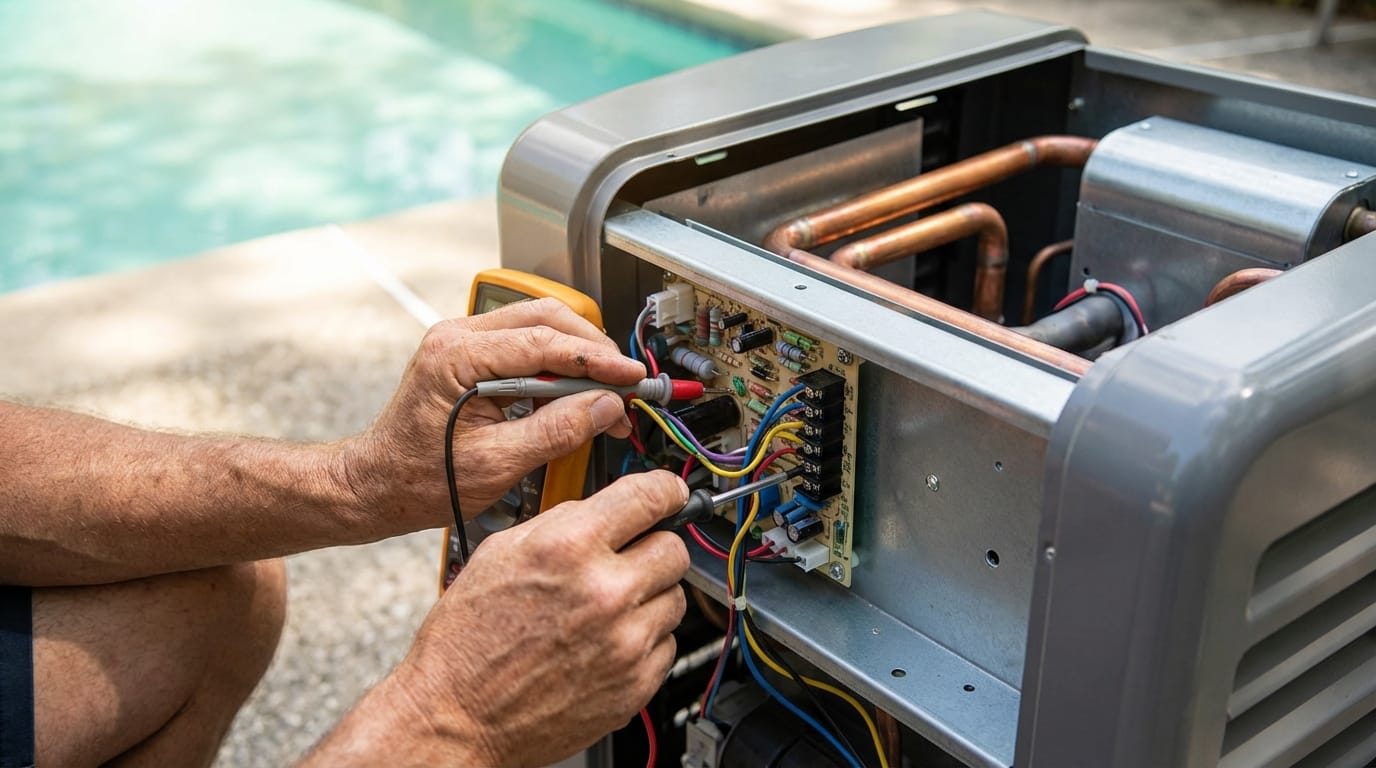
Achieving peak efficiency from your new pool heater requires more than just a successful physical connection to your gas or electric lines. Professional calibration ensures that your heating unit works in harmony with your existing filtration pump and sanitation system. When these components are synchronized, the heater receives the precise flow rate required to operate safely without putting undue strain on your plumbing. This expert level of integration prevents the equipment from cycling on and off too frequently, which is a common cause of premature mechanical failure. By fine tuning these settings during the initial installation, you establish a reliable foundation for consistent water temperatures all season long.
Modern pool automation systems offer a sophisticated way to manage your energy consumption while maintaining a comfortable swimming environment. Integrating your heater with an automated controller allows you to schedule heating cycles during off peak utility hours or sync operation with your variable speed pump for maximum savings. A professional technician can program these interfaces to provide real time data and remote access, giving you total control over your backyard climate from a smartphone. This strategic approach to equipment management reduces monthly utility costs by ensuring the heater only runs when it is truly necessary. Investing in professional calibration transforms a standard equipment upgrade into a high performance system for your pool.
Maximize Your Investment with Advanced Heating
Upgrading your pool heating system is one of the most effective ways to maximize your investment and transform your backyard into a year round retreat. By selecting a modern gas heater or an energy efficient heat pump, you can extend your swimming season well into the cooler months and enjoy comfortable water temperatures on demand. These high performance upgrades move your pool beyond a simple summer feature and turn it into a versatile asset for exercise and relaxation. Investing in the right equipment ensures that your pool is always ready for use, regardless of the fluctuating outdoor temperature or seasonal changes.
While the technical specifications of different heaters are important, the quality of the installation is what ultimately determines the longevity of your equipment. Professional installation is essential for navigating complex utility requirements, such as gas line sizing and high voltage electrical connections, that are common in pool upgrades. Expert technicians ensure that the heater is perfectly integrated with your existing filtration system to prevent backpressure issues or premature component failure. This specialized approach protects your property from safety hazards while ensuring that your new system operates at peak efficiency from the very first day.
Choosing a professional service also provides the critical benefit of maintaining your manufacturer warranty and ensuring local code compliance. Most high end heater brands require certified installation to honor warranty claims, meaning a DIY approach could cost you thousands in the long run. Professional installers handle the necessary permits and safety inspections, giving you peace of mind that your system is both legal and secure. By prioritizing an expert setup, you secure the reliability of your heating system and protect the long term value of your home and pool, much like choosing the right pool renovation strategy ensures durability for years to come.
Frequently Asked Questions
1. Which is better for my pool, a gas heater or a heat pump?
The right choice depends on your specific heating goals and local climate. Gas heaters provide rapid, on-demand warmth regardless of the air temperature, while heat pumps offer superior energy efficiency and lower monthly operating costs in milder regions.
2. How long does it take for a gas heater to warm the water?
Gas heaters are the fastest option available, capable of raising your pool or spa temperature significantly in just a few hours. This makes them ideal for homeowners who want to heat their pool quickly for a specific event or weekend use.
3. Are heat pumps effective in cold weather?
Heat pumps rely on extracting warmth from the surrounding air, so their efficiency drops when temperatures fall below 50 degrees Fahrenheit. For consistent heating in very cold climates, a gas heater is generally the more reliable equipment choice.
4. What are the main benefits of installing a solar pool heater?
Solar heaters provide a sustainable and cost-effective way to warm your pool by using free energy from the sun. While they require a higher initial investment and depend on sunny weather, they have virtually no monthly operating costs.
5. Can I install a pool heater myself?
Professional installation is highly recommended to ensure equipment compatibility and compliance with local utility requirements. Proper setup involves complex gas lines or electrical connections that must be handled correctly to ensure safety and long-term performance.
6. How can I maximize the energy efficiency of my new heater?
You can maximize your investment by choosing equipment that matches your local climate and using a pool cover to retain heat. Balancing performance with operating costs during the installation phase ensures your water stays warm without unnecessary utility expenses.