
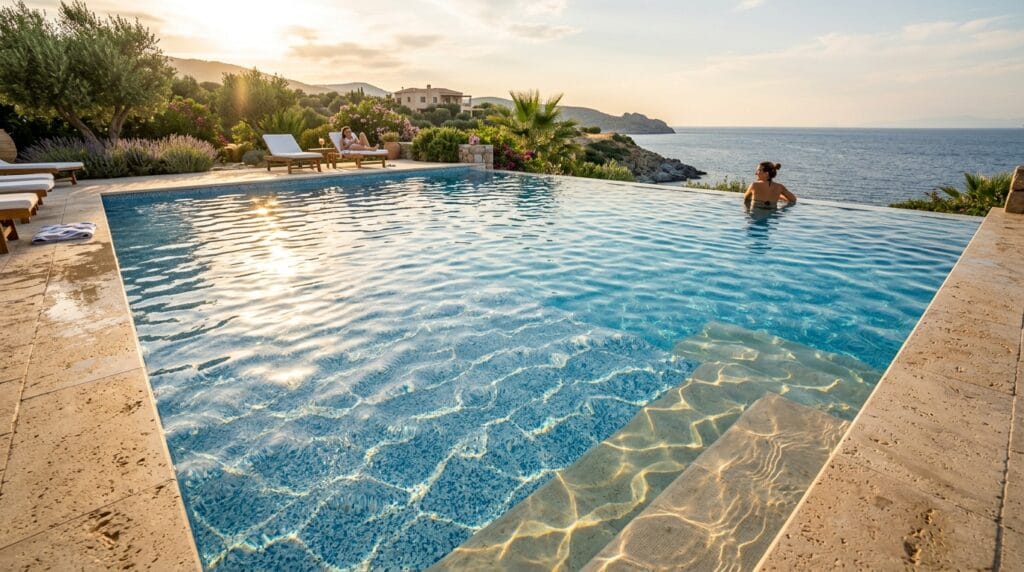
Upgrading your backyard oasis in 2026 requires a strategic balance between aesthetic appeal and long-term value. Understanding the quartz pool finish cost is essential for homeowners who want to move beyond basic plaster without the premium price tag of high-end pebble surfaces. For a standard residential pool, you can typically expect an investment ranging from $7,000 to $15,000 to achieve that signature shimmering glow.
This versatile finish has become the modern gold standard because it offers enhanced stain resistance and a smooth texture that is gentle on swimmers’ feet. With a lifespan reaching up to 15 years, quartz provides a durable defense against harsh chemicals and fluctuating weather patterns. By choosing this middle-ground option, you secure a high-end look that stands the test of time while keeping your renovation budget under control.
Key Takeaways
- A quartz pool finish costs between $7,000 and $15,000 for a standard residential pool, offering a strategic middle-ground investment between basic plaster and premium pebble surfaces.
- Quartz finishes provide superior durability with a lifespan of 10 to 15 years, significantly outlasting traditional plaster due to their high resistance to chemical erosion, staining, and UV exposure.
- Total project pricing is driven by regional labor rates, the condition of the existing pool substrate, and the specific concentration of quartz crystals and custom pigments used in the mix.
- The smooth, non-abrasive texture of quartz enhances swimmer comfort while its hard, nonporous properties lower the long-term cost of ownership by reducing maintenance needs and delaying future resurfacing.
Estimated Price Ranges For Quartz Pool Resurfacing
Investing in a quartz pool finish represents a strategic middle ground for homeowners who want to balance long term durability with a sophisticated aesthetic. For a standard residential pool of approximately 1,000 square feet, you can expect the total project cost to fall between $7,000 and $15,000 in 2026. This pricing typically includes both high quality materials and specialized labor, with square footage rates ranging from $6.00 to $10.00 depending on your location. While smaller projects may start as low as $4,000, larger custom designs or high demand markets often see quotes at the upper end of the spectrum.
Choosing quartz over traditional plaster offers a significant value proposition because of its extended lifespan and resistance to chemical erosion. While standard plaster may begin to show wear after seven years, a quartz finish is engineered to last between 10 and 15 years with proper maintenance. This durability comes from the infusion of hard ceramic coated silica sand, which creates a harder surface that is less prone to staining and etching. By paying a slightly higher upfront cost than basic plaster, you reduce the frequency of resurfacing and enjoy a more resilient, shimmering finish that maintains its color for over a decade.
Regional Labor Rates And Site Condition Variables
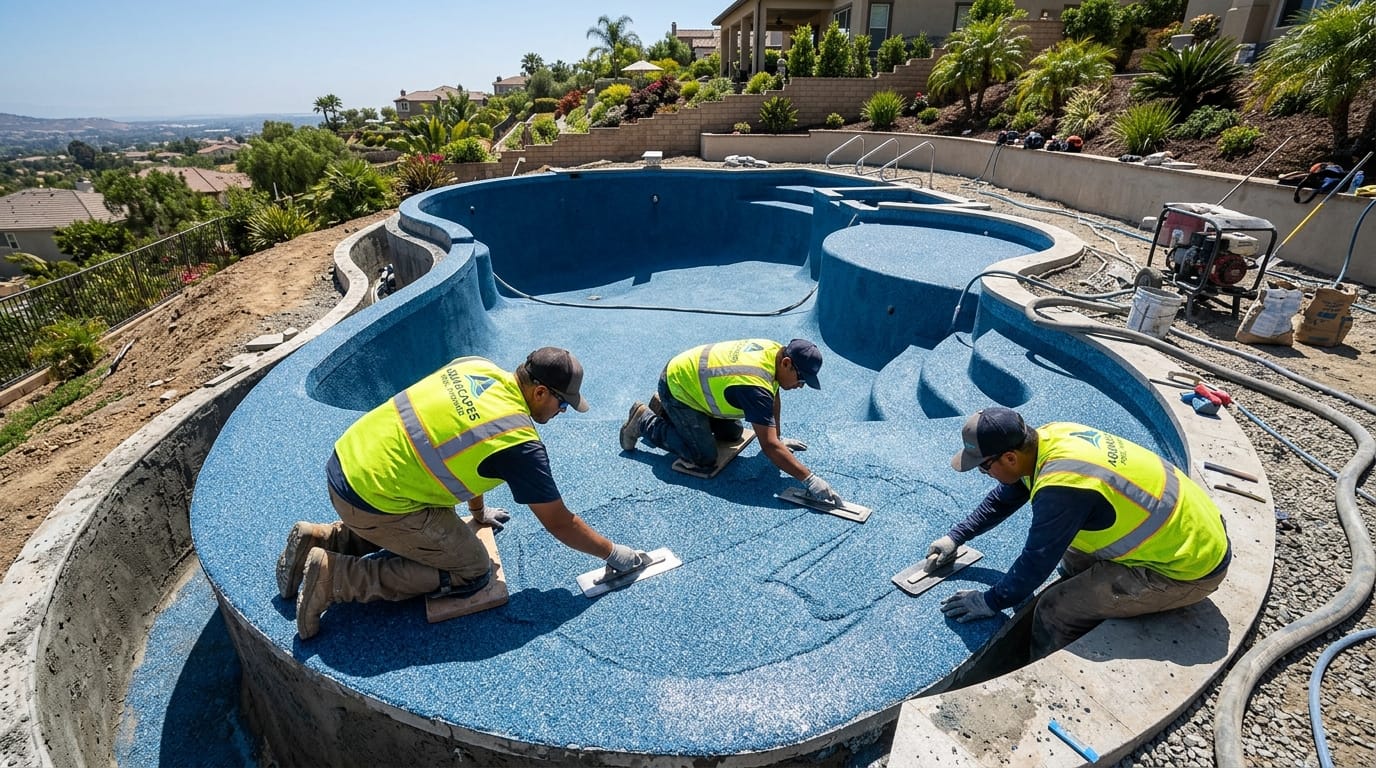
Geographic location plays a pivotal role in determining your final quartz pool finish quote due to the varying costs of specialized labor across the country. In high demand markets, you can expect to pay at the higher end of the pricing spectrum because of increased overhead and a competitive pool service industry. These regions often require higher wages for skilled plasterers who have the expertise to properly burnish quartz finishes for a smooth, durable surface. Conversely, homeowners in areas with a lower cost of living may find more budget friendly labor rates that sit closer to the six dollar per square foot mark. You should always account for these regional fluctuations when comparing national averages to your local estimates.
The current state of your pool’s existing substrate is another significant variable that can shift the total cost of your resurfacing project. If your old plaster is severely delaminated, cracked, or suffering from significant scale buildup, the installation team must spend more time on intensive prep work before applying the new quartz. This often involves a complete chip out of the old material or the application of a high quality bond coat to ensure the new finish adheres properly. These labor intensive steps are crucial for the longevity of your investment but will naturally increase the initial labor bill. A pool in relatively good structural shape will always be less expensive to finish than one requiring extensive masonry repairs or surface leveling.
Custom features and site accessibility also impact the complexity of the installation and the associated man hours required for the job. Pools with intricate designs, such as built in bar stools, tanning ledges, or complex vanishing edges, demand a higher level of detail work that slows down the application process. Furthermore, if your backyard has limited access for heavy equipment or material mixing stations, the crew may need to move materials manually, which adds to the total labor time. High durability quartz is a premium upgrade, so ensuring the site is properly prepared and the labor is performed by experts is essential for achieving the ten to fifteen year lifespan this material offers. Investing in quality air and pool plastering today prevents costly delamination issues or surface failures in the future.
Quartz Durability And Long Term Financial Value
When evaluating the true cost of a quartz pool finish, it is essential to look beyond the initial installation price and consider the extended lifecycle of the material. While standard white plaster may seem like a budget friendly choice upfront, its typical lifespan of only seven to ten years often leads to earlier resurfacing expenses. In contrast, a quartz finish is engineered to last between 10 and 15 years due to its hard, nonporous properties. By investing between $7,000 and $15,000 today, homeowners effectively lower their annual cost of ownership. This increased durability means you are paying for fewer renovations over the decades you own your home.
The long term financial value of quartz is further enhanced by its superior stain resistance and resistance to chemical erosion compared to traditional alternatives. Because quartz is one of the hardest minerals on earth, it creates a surface that stands up to the harsh environment of a chlorinated or salt water pool. This resilience reduces the need for frequent professional deep cleanings or acid washes, which can be costly and abrasive to the pool shell. Over a 15 year period, the savings on maintenance and the deferred cost of a secondary resurfacing project make quartz the most logical middle ground for savvy investors. You essentially gain a premium aesthetic and a tougher surface for a marginal increase in your initial budget.
Premium Add-Ons And Custom Color Pricing Factors
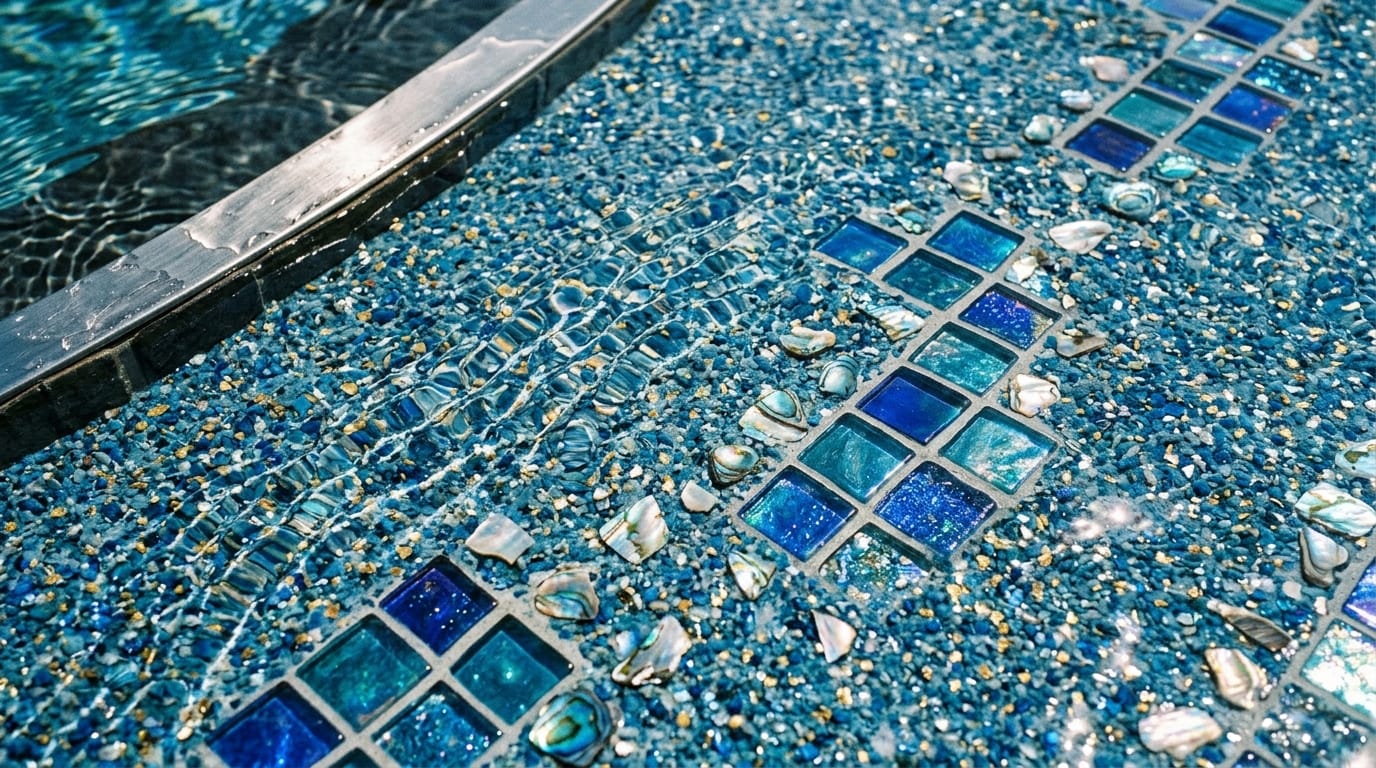
The final price of a quartz pool finish is heavily influenced by the specific concentration of crushed quartz crystals within the mix. While a standard blend provides a subtle shimmer, high-end upgrades often utilize a much higher ratio of quartz to cement to enhance both the visual depth and the surface’s resistance to chemical erosion. These premium mixtures require more raw material and a more meticulous application process to ensure an even distribution of color across the pool’s floor and walls. Homeowners opting for these dense configurations should expect to pay toward the higher end of the pricing spectrum, as the increased mineral content significantly boosts the finish’s lifespan.
Custom pigments and specialized binders also play a critical role in the total project cost for high-durability resurfacing. Selecting a deep teal, midnight blue, or custom-blended hue typically involves expensive inorganic pigments that are engineered to resist fading under intense UV exposure. Furthermore, many premium quartz finishes incorporate polymer-modified binders that improve the bond between the new finish and the existing shell. These chemical additives increase the material cost per square foot, but they provide a necessary safeguard against cracking and delamination in volatile climates.
Labor costs for these sophisticated upgrades are often higher because of the technical skill required to expose the quartz aggregate properly. Understanding the nuances of pool resurfacing vs replastering is vital when choosing these high-performance materials, as achieving a consistent, slip-resistant texture without over-washing the surface demands a specialized crew. When you factor in the use of specialized acid washes or water-exposure techniques used to reveal the crystals, the investment reflects both the quality of the ingredients and the artistry of the installation. Choosing these premium add-ons ensures a finish that not only looks superior but also withstands the rigors of pool chemistry for over a decade.
Budgeting for Your Quartz Pool Finish
Investing in a quartz pool finish represents a strategic upgrade for homeowners who want to bridge the gap between basic plaster and high-end pebble surfaces. With average project costs ranging from $7,000 to $15,000, this material provides a significant boost in durability and chemical resistance without the premium price tag of all-stone finishes. You should budget approximately $6.00 to $10.00 per square foot, keeping in mind that regional labor markets and pool complexity will influence the final quote. Because quartz can extend the life of your pool surface by up to five years compared to standard plaster, the investment ranging from several thousand dollars often pays for itself through reduced maintenance and delayed resurfacing needs.
When planning your budget, it is essential to consider the long-term performance benefits alongside the upfront installation costs. High-performance quartz blends offer a smooth texture that is gentle on swimmers’ feet while remaining tough enough to withstand fluctuating water chemistry and UV exposure. To ensure you get the most value for your money, always request a detailed breakdown that includes surface preparation, material grade, and startup procedures used to reveal the crystals. Proper financial planning now ensures that your pool remodel remains a beautiful, functional centerpiece of your home for the next decade or more. Professional renovation services can help you achieve a stunning, durable quartz pool finish that fits your budget perfectly.
Frequently Asked Questions
1. What is the average cost to install a quartz pool finish in 2026?
For a standard residential pool, you should expect an investment ranging from $7,000 to $15,000. This pricing typically covers both high quality materials and specialized labor, with square footage rates generally falling between $6.00 and $10.00.
2. How long can I expect a quartz pool finish to last?
A quartz finish is engineered for longevity and typically lasts between 10 and 15 years with proper maintenance. This is a significant upgrade over traditional plaster, which often begins to show wear after only seven years.
3. What factors influence the total price of quartz resurfacing?
Your total cost is primarily driven by the square footage of the pool and your geographic location. While smaller projects may start as low as $4,000, high demand markets often see quotes at the upper end of the spectrum.
4. Why is quartz considered a better value than standard plaster?
Quartz offers a strategic middle ground by providing enhanced stain resistance and a smooth texture that is gentle on swimmers’ feet. Its infusion of ceramic coated silica sand creates a durable defense against harsh chemicals and weather, extending the time between necessary renovations.
5. Does the texture of quartz affect the swimming experience?
Yes, quartz provides a signature shimmering glow and a comfortable, smooth texture. It is specifically designed to be less abrasive than pebble surfaces, making it an ideal choice if you want a high end look that remains soft underfoot.
6. Is quartz pool finish resistant to chemical damage?
Quartz is highly resilient against chemical erosion and fluctuating weather patterns. How do you know when a pool needs resurfacing? This durability ensures your pool maintains its aesthetic appeal and structural integrity much longer than basic plaster options.