
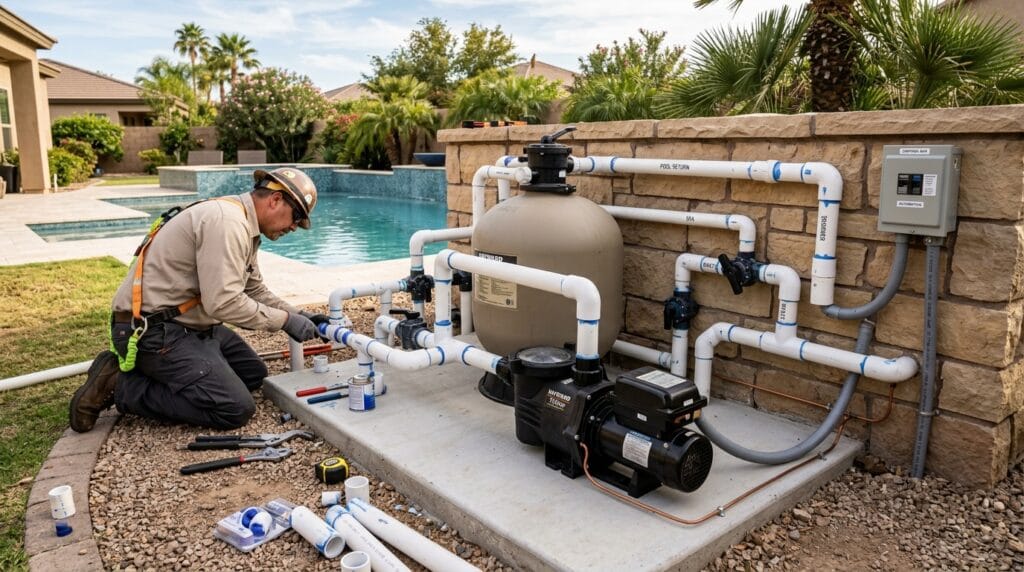
Moving your pool pump, filter, and heater to a more discreet location can transform your backyard from a noisy utility zone into a serene sanctuary. However, before you start digging, it is essential to understand the variables that influence the total pool equipment relocation cost. In 2026, most homeowners find that a standard move ranges between $3,000 and $6,000, though complex projects can quickly climb higher.
The final price tag depends heavily on the distance of the move and the complexity of your existing setup. If your project requires trenching through solid concrete or rerouting intricate gas and electrical lines, costs can exceed $10,000. Balancing your desire for a quiet patio with the realities of labor rates and permit fees is the first step toward a successful backyard renovation.
Key Takeaways
- A standard pool equipment relocation in 2026 typically costs between $3,000 and $6,000, though complex projects involving gas lines or concrete excavation can exceed $10,000.
- Labor is the primary expense, with specialized technicians charging $150 to $220 per hour to ensure hydraulic efficiency and proper electrical wiring during the move.
- Physical obstacles like existing concrete patios, long distances, and the need for gas line extensions significantly drive up costs due to increased trenching and material requirements.
- Homeowners must budget for mandatory municipal permits and professional inspections, which typically range from $150 to $700 to ensure compliance with safety and noise ordinances.
Primary Cost Drivers For Standard Pool Pad Relocation
The primary expense in any equipment relocation project is the specialized labor required to ensure the system remains hydraulicly efficient. You can expect to pay professional pool technicians between $150 and $220 per hour for their expertise in replumbing and wiring. These rates reflect the technical skill needed to maintain proper flow rates and pressure while navigating the complexities of your specific backyard. Because the process involves cutting into existing lines and precisely mapping out new runs, the labor hours can accumulate quickly during the demolition and reinstallation phases.
Material costs also play a significant role in the overall budget, particularly regarding high grade plumbing and electrical components. A standard relocation requires a substantial amount of schedule 40 or 80 PVC piping, heavy duty sweep elbows, and specialized valves to reconnect the pump and filter at the new site. These basic plumbing materials, while individually affordable, add up when spanning distances of twenty to thirty feet from the original pad. Additionally, the cost of new electrical conduits and heavy gauge wiring must be factored in to ensure the relocated equipment meets modern safety codes and voltage requirements.
Beyond the visible pipes and pumps, the complexity of the ground conditions can drive costs toward the higher end of the $3,000 to $6,000 range. If your new equipment location requires trenching through existing concrete patios or navigating around established landscaping, the manual labor involved increases significantly. Specialized equipment may be needed to cut through hardscaping, which adds both time and rental fees to the project total. Homeowners should also account for the cost of a new equipment pad or a reinforced concrete slab to provide a level, stable foundation for the relocated machinery.
Electrical Rerouting And Gas Line Extension Expenses
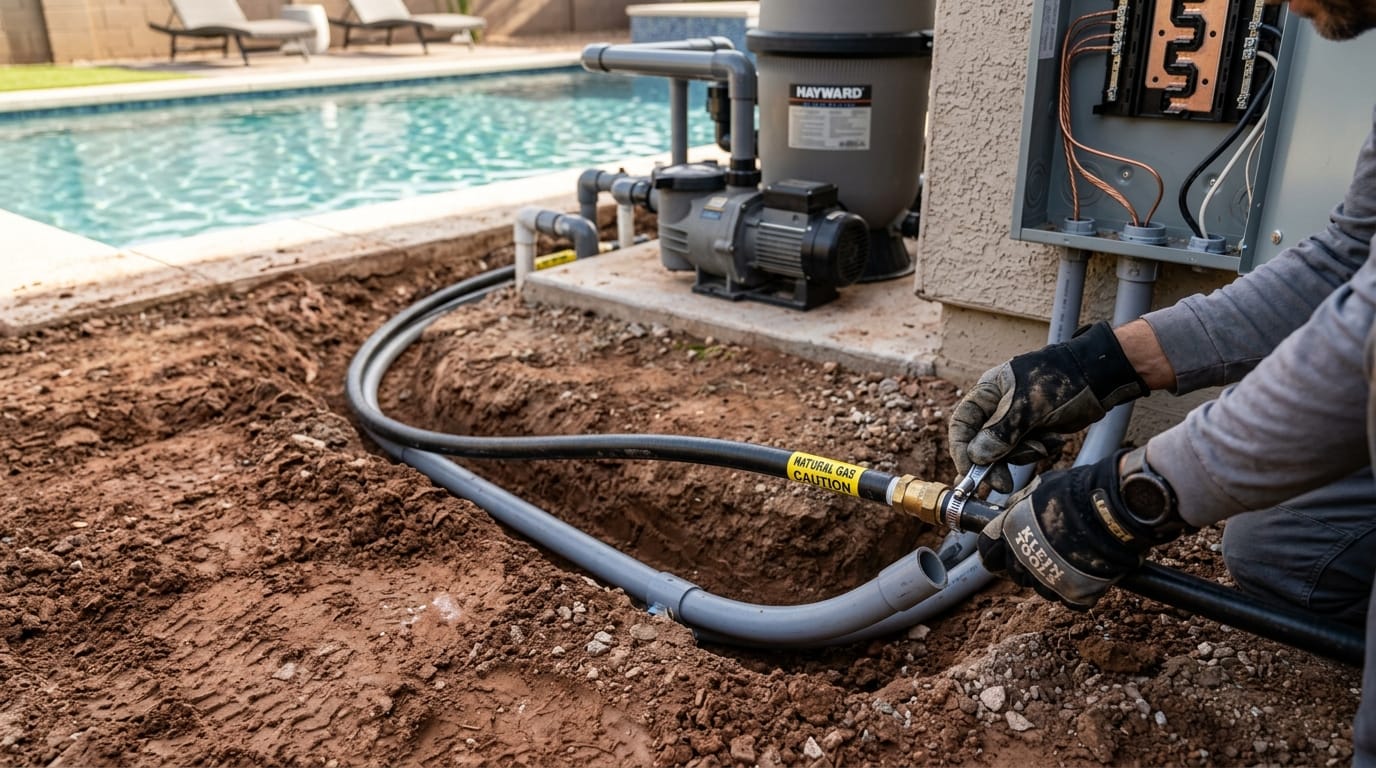
Extending the electrical and gas lines to a new equipment pad is often the most expensive technical hurdle in a relocation project. You must hire specialized technicians to ensure all work meets local building codes and safety standards, which typically adds $350 to $4,000 to your total budget. Electricians must often run new conduits from the main breaker panel to the new site, potentially requiring a sub-panel if the distance is significant. These labor rates currently range from $150 to $220 per hour depending on your region. Furthermore, modern pool automation systems require precise wiring that increases the complexity and duration of the installation process.
Relocating a gas heater introduces another layer of logistical expense because of the strict safety regulations surrounding gas line extensions. Plumbers must calculate the correct pipe diameter to maintain proper pressure over the increased distance, often requiring more expensive larger-gauge piping. Trenching through existing backyard landscaping or concrete patios to bury these lines can quickly push costs toward the $10,000 mark for complex layouts. You should also account for mandatory permit fees, which can range from $150 to $700, to certify that the high-pressure gas connections are leak-free. Skipping these professional steps is never an option as improper installation poses significant fire and safety risks to your home.
Trenching Requirements And Concrete Excavation Surcharges
The physical path between your pool and its new equipment pad is a primary driver of relocation expenses, largely due to the labor required for trenching. Standard quotes typically account for digging through soft soil or grass, but the price increases quickly as the distance grows beyond thirty feet. Technicians must excavate deep enough to meet local building codes, ensuring that new PVC plumbing and electrical conduits are protected from ground shifts or accidental damage. If your backyard layout requires navigating around trees, retaining walls, or existing utility lines, the manual labor hours will climb, often pushing the total project cost toward the higher end of the six thousand dollar range.
Budgeting becomes significantly more complex when the relocation path intersects with existing hardscaping like patios, walkways, or pool decks. Cutting through reinforced concrete or decorative masonry requires specialized saws and heavy machinery, which often triggers a surcharge of several thousand dollars. Beyond the initial excavation, homeowners must also account for the professional restoration of these surfaces once the underground work is complete. Because matching aged concrete or custom stone can be difficult, these structural obstacles are a major reason why complex relocations can exceed twelve thousand dollars in total.
The depth and width of the trench also depend on whether you are moving a gas heater alongside your pump and filter. Gas lines often require deeper burial and specific separation distances from electrical conduits to satisfy safety inspections and permit requirements. These technical demands necessitate more precision during the digging phase and can increase the hourly labor rate, which currently averages between one hundred fifty and two hundred twenty dollars. By carefully mapping the route and identifying potential masonry obstructions early, you can better estimate whether your project will fall into a standard price bracket or require a more substantial investment in your pool heater installation and plumbing.
Permit Fees And Municipal Compliance Requirements
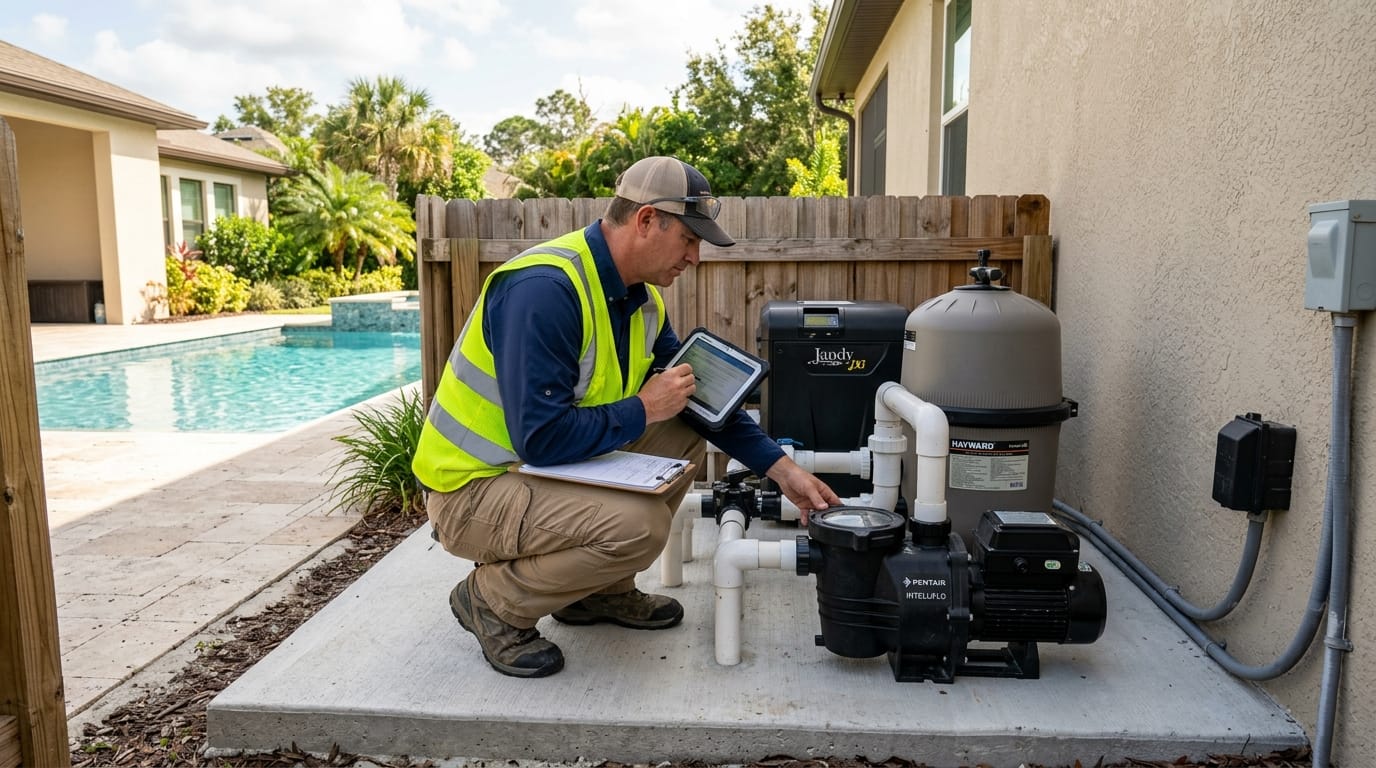
Navigating the legal requirements for pool equipment relocation is a critical step that homeowners must factor into their total budget. Most municipalities require a combination of building and electrical sub-permits to ensure the new setup adheres to strict safety and environmental standards. Depending on your specific region, these municipal permits typically range from $150 to $700, though costs can rise if your project involves complex gas line rerouting. Securing these documents is not just a formality, as they provide the necessary oversight to confirm that high-voltage components and pressurized filtration systems are installed correctly. Skipping this step can lead to expensive fines or complications when trying to sell your home in the future.
Beyond the initial filing fees, municipal compliance often dictates specific site preparations that can influence the overall labor costs. Inspectors will look for proper grounding and bonding of the electrical system to prevent shocks, as well as specific clearances from property lines and bedroom windows to manage noise reduction levels. In some jurisdictions, you may also be required to install a concrete pad or a sound-dampening enclosure to meet local ordinances. These mandatory safety codes ensure that your relocated pump and heater operate without endangering your family or disturbing the neighborhood. Budgeting for these compliance measures early in the process helps prevent unexpected financial setbacks during the final inspection phase.
Budgeting for Your Pool Equipment Relocation
Deciding to move your pool equipment is a significant investment that requires balancing your vision for a new landscape with the technical realities of hydraulic efficiency. For a standard relocation in 2026, homeowners should budget between $3,000 and $6,000 to cover the specialized labor and materials needed for a 20 to 30 foot move. These costs can quickly climb toward $10,000 or more if your project involves navigating through concrete, extending gas lines for heaters, or upgrading complex automation systems. While the price tag is substantial, there are many benefits of hiring a professional pool company to ensure that your pump and filtration system continue to operate at peak performance without compromising the water flow of your pool.
Success in this project depends on early planning and a clear understanding of the electrical and plumbing infrastructure hidden beneath your backyard. Every foot of distance added between the pool and the equipment pad increases the demand on your pump, meaning that technical constraints must often dictate the final placement. By working with experts who understand local permit requirements and labor rates, you can avoid costly mid project adjustments or equipment strain. If you are ready to optimize your outdoor living space, discover how professional backyard remodel services can help you manage the pool equipment relocation cost while achieving a seamless aesthetic result.
Frequently Asked Questions
1. What is the average cost to relocate pool equipment in 2026?
You should expect to pay between $3,000 and $6,000 for a standard equipment move. Complex projects involving long distances or difficult terrain can see prices rise above $10,000.
2. How do labor rates impact the total price of the project?
Professional pool technicians typically charge between $150 and $220 per hour for this specialized work. These rates cover the technical expertise required to replumb and rewire your system while maintaining proper hydraulic efficiency.
3. What are the main material expenses involved in moving a pool pad?
Your budget must account for high grade schedule 40 or 80 PVC piping, heavy duty sweep elbows, and specialized valves. While individual components are affordable, the costs accumulate quickly when you are running lines across twenty or thirty feet of yard.
4. Does the distance of the move significantly increase the cost?
Yes, distance is a primary cost driver because it dictates the amount of trenching, piping, and wiring required. Longer runs also require more labor hours to ensure that flow rates and water pressure remain consistent at the new location.
5. Will I need to pay for permits when relocating my pool equipment?
Most jurisdictions require permits for the electrical and gas line modifications necessary during a relocation. You should factor these local fees and the cost of professional inspections into your initial project estimate.
6. What factors could push the relocation cost over $10,000?
Costs escalate quickly if your project requires trenching through solid concrete or rerouting complex gas and electrical lines. These structural challenges require additional equipment and specialized labor that go beyond a standard backyard move.