
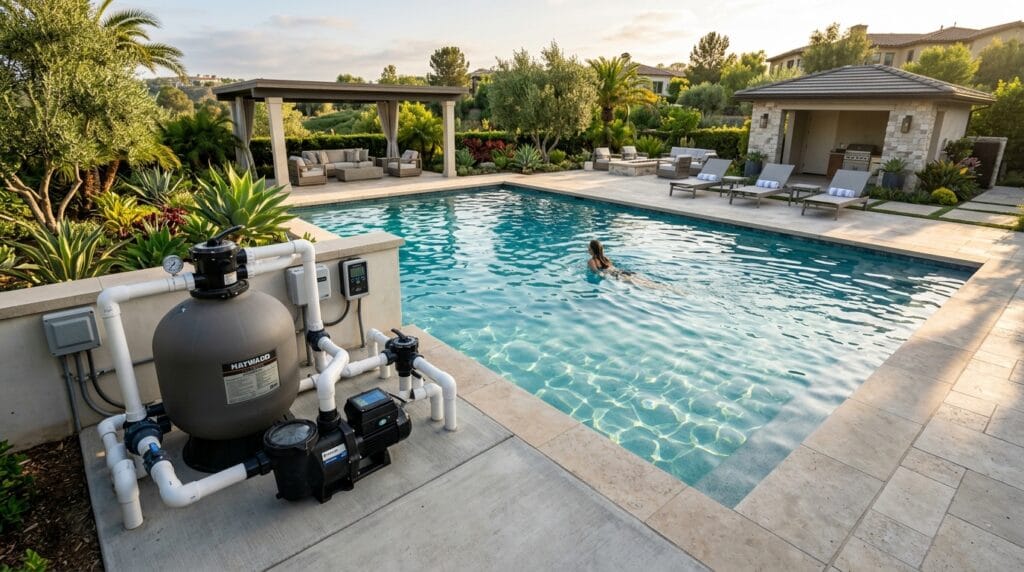
Crystal-clear water is the hallmark of a healthy swimming pool, but achieving that pristine look depends entirely on the efficiency of your equipment. As of 2026, the average pool filtration system cost typically ranges from $500 to $2,500, with most homeowners spending approximately $1,350 for a professional installation. Understanding these figures is essential for budgeting, whether you are building a new oasis or replacing an aging unit that can no longer keep up with debris.
The final price tag is rarely a flat fee, as it is heavily influenced by your choice of filter media, the total gallonage of your pool, and the integration of modern smart technologies. While a budget-friendly sand filter might save you money upfront, high-performance D.E. or cartridge systems offer superior clarity that can transform your swimming experience. Identifying the right balance between initial investment and long-term maintenance ensures your water stays inviting without draining your wallet.
Key Takeaways
- As of 2026, the average cost for a professional pool filtration system installation ranges from $500 to $2,500, with a national average of approximately $1,350.
- Filter media selection is the primary cost driver, ranging from budget-friendly sand filters ($800–$1,200) to premium Diatomaceous Earth (D.E.) systems ($1,500–$2,500) that offer superior 3-5 micron filtration.
- Pool volume directly dictates equipment pricing, as larger pools require high-capacity filters and advanced hydraulics to ensure proper water turnover and prevent premature equipment failure.
- Long-term ownership costs vary by system type, with cartridge filters often proving more cost-effective over time by eliminating water-wasting backwash cycles and reducing energy consumption.
Average Installation Costs By Filter Media Type
Selecting the right filter media is the most significant factor in determining your total investment when upgrading your pool equipment. Sand filters remain the most budget friendly option, with professional installation typically ranging from $800 to $1,200. While these systems are valued for their simplicity and low upfront cost, they generally offer the least precise filtration at 20 to 40 microns. Homeowners choosing this route should also account for the water costs associated with regular backwashing. This traditional method is ideal for those prioritizing a lower initial price point over ultra fine water clarity.
Cartridge and glass media systems offer a middle ground that balances high performance with moderate installation rates. A professional cartridge filter installation usually costs between $1,200 and $2,000, providing superior filtration down to 10 or 15 microns without the need for backwashing. Glass media has also gained popularity recently, with installed costs averaging $1,000 to $1,700 and filtration levels reaching as low as 5 microns. These systems are excellent for homeowners looking to reduce water waste while achieving noticeably clearer water than standard sand can provide.
Diatomaceous Earth or D.E. filters represent the premium tier of pool filtration with installed costs typically falling between $1,500 and $2,500. These systems utilize a fine powder to trap particles as small as 3 to 5 microns, resulting in the highest possible water quality and brilliance. While the initial equipment and labor costs are higher, the exceptional clarity is often the deciding factor for high end residential pools. Professional installation ensures these complex systems are calibrated correctly to maximize the lifespan of your pump and overall plumbing.
Impact Of Pool Size On System Pricing
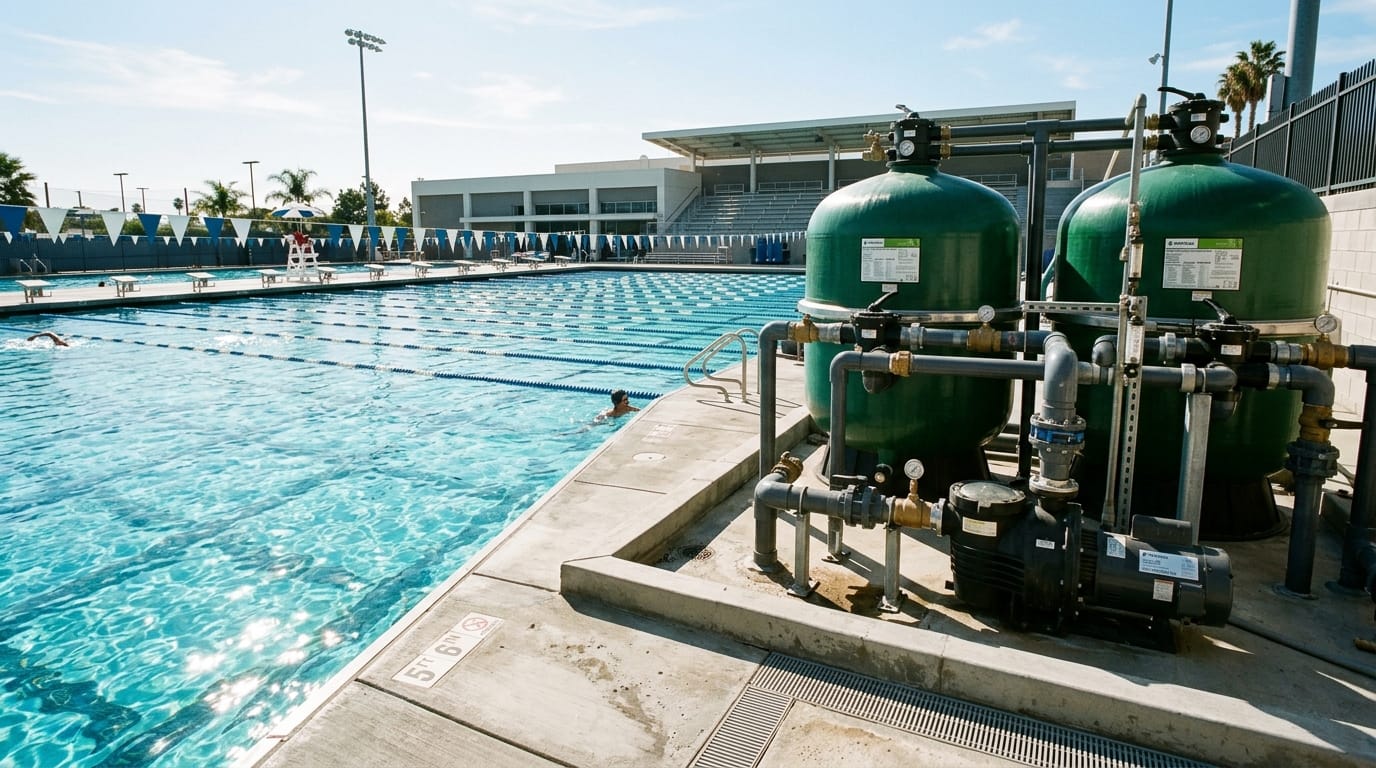
The total gallonage of your swimming pool is the primary factor that determines the necessary flow rate and filter capacity for your new system. A standard 10,000 gallon pool requires significantly less turnover power than a sprawling 30,000 gallon estate pool, which directly impacts the size and price of the unit you must purchase. Larger pools necessitate heavy duty filters with greater surface areas to move water efficiently without straining the pump or compromising water clarity. When you invest in a system that is properly scaled to your pool size, you ensure that every drop of water is cycled through the media at the correct velocity. Failing to account for this volume can lead to stagnant water and premature equipment failure, making the initial sizing consultation a vital step in your upgrade process.
As you move up in pool volume, the complexity and cost of the installation naturally increase to accommodate more robust hardware. For instance, a high capacity cartridge filter designed for a large pool will carry a higher unit price and require more intensive plumbing than a basic sand filter for a small above ground model. Systems for larger pools often integrate advanced hydraulics and smart technologies to maintain consistent pressure, which can push the final quote toward the upper end of the $2,500 range. Choosing the right capacity prevents the system from working overtime, which ultimately saves you money on utility bills and replacement parts over the lifespan of the equipment. Professional installers provide detailed quotes that match these technical requirements to your specific pool dimensions, ensuring a seamless and cost effective transition to your new filtration setup.
Long Term Maintenance And Operational Expenses
While the initial installation price of a pool filter is a significant factor, the true cost of ownership is often determined by monthly utility bills and long term maintenance requirements. Sand filters are frequently chosen for their lower upfront price point, yet they can become surprisingly expensive due to the regular backwashing needed to clear debris. This process can waste thousands of gallons of treated water every year, leading to higher water bills and the added expense of replacing lost chemicals. Homeowners who prioritize low monthly overhead often find that these hidden operational costs quickly offset the initial savings of a budget friendly sand system.
Modern cartridge filtration systems offer a compelling alternative for those looking to maximize energy efficiency and reduce environmental impact. These systems do not require water-wasting backwash cycles, which preserves water levels and maintains the chemical balance of your pool more consistently. Because they operate with less resistance than sand or D.E. filters, they often reduce the strain on your pool pump and lower overall electricity consumption. While the replacement cartridges represent a recurring cost every few years, the savings on water and energy often make this the most cost effective solution over the life of the equipment.
Selecting the right filtration system requires a balance between your immediate budget and your tolerance for ongoing labor and utility expenses. High performance options like D.E. or glass media filters provide superior water clarity but may involve more complex cleaning cycles or more expensive media replacements. Choosing a system that integrates with modern smart technology can further optimize these costs by automating filtration cycles based on actual usage needs. Consulting with a professional installer can help you evaluate these variables to ensure your new system provides the best return on investment for your specific pool size and lifestyle.
Budgeting for Your Pool Filtration System
Ultimately, investing in a new pool filtration system requires balancing your immediate budget with long-term performance and maintenance needs. As of 2026, most homeowners can expect to spend between $500 and $2,500 for a professional installation, with the average pool filtration national average sitting around $1,350. While sand filters offer the most affordable entry point, cartridge and D.E. systems provide superior water clarity and efficiency that may save you money on chemicals and water waste over time. Selecting the right equipment depends heavily on your specific pool size and how much time you want to spend on routine upkeep.
Upgrading your filtration system is one of the most effective ways to enhance your swim experience and protect your property value. Modern units featuring smart technology and high efficiency glass media are becoming the standard for homeowners who want crystal clear water with minimal effort. Because every backyard has unique plumbing requirements and electrical considerations, a professional contractor assessment is the best way to ensure your new equipment is sized correctly for your volume. Choosing the right components now will prevent costly repairs and ensure your pool remains a refreshing sanctuary for years to come.
If you are ready to optimize your outdoor living space with the latest in pool technology, professional legal and renovation services are here to provide expert guidance and seamless installation. Experts specialize in tailoring equipment solutions to meet the specific demands of your local environment and lifestyle. To learn more about how professional pool equipment installation in Los Angeles can help you manage your pool filtration system cost, explore comprehensive solutions today. Scheduling a professional consultation is the first step toward a more efficient, clearer, and more enjoyable swimming pool.
Frequently Asked Questions
1. How much should I expect to pay for a new pool filtration system in 2026?
On average, you will spend approximately $1,350 for a professional installation. While most homeowners pay between $500 and $2,500, your final cost depends on the pool size and the specific filter technology you select.
2. Which type of pool filter is the most affordable to install?
Sand filters are your most budget friendly option, with professional installation costs typically ranging from $800 to $1,200. While these systems have the lowest upfront price, you should account for the water costs associated with regular backwashing and a lower filtration precision of 20 to 40 microns.
3. What are the benefits of choosing a cartridge filter system?
Cartridge filters offer a high performance middle ground with installation costs between $1,200 and $2,000. These systems provide superior water clarity by filtering debris down to 10 or 15 microns and do not require the water wasting backwash process used by sand filters.
4. What is the most effective but expensive filtration option available?
D.E. or Diatomaceous Earth filters represent the premium tier of filtration, offering the highest level of water clarity. While these systems require a larger initial investment, they are capable of removing the smallest particles to ensure your pool water remains truly pristine.
5. How does pool size impact the overall cost of the filtration system?
The total gallonage of your pool directly dictates the size and capacity of the equipment required to cycle the water effectively. Larger pools necessitate high capacity filters and more powerful pumps, which will naturally increase both the equipment price and the labor costs for installation.
6. Are there additional costs beyond the initial equipment purchase?
Yes, you must budget for professional labor fees and potential plumbing modifications required to integrate the new system. You should also consider long term expenses such as filter media replacements, electricity for the pump, and the cost of water used during maintenance routines. For those interested in alternative sanitation, saltwater pools can also influence long-term operational costs and equipment choices. When deciding on a sanitation method, comparing a chlorine pool vs saltwater system can help you determine which water treatment method best aligns with your budget and lifestyle.