
Stepping into a lukewarm pool when you expect a heated oasis is a frustrating way to start your weekend. As modern equipment lifespans trend shorter, identifying common pool heater repair signs is the best way to protect your investment. Catching a minor mechanical hiccup early can be the difference between a simple tune-up and a complete system replacement.
Ignoring strange noises or fluctuating temperatures often leads to compounding damage that ruins a swim season. From internal corrosion to scale buildup, these hidden issues quickly escalate into expensive emergencies if left unchecked. Proactive monitoring ensures your water stays at the perfect temperature while keeping your utility bills and maintenance costs under control.
Key Takeaways
- Address minor mechanical red flags like fluctuating temperatures, unusual noises, or digital error codes immediately to prevent expensive system-wide failures.
- Monitor for mineral scale buildup and internal corrosion, as these hidden issues restrict water flow, spike utility bills, and significantly shorten the heater’s lifespan.
- Identify visible leaks or external rust as critical indicators of structural damage that often necessitate a full system replacement rather than a simple repair.
- Schedule professional diagnostic services to determine if a targeted repair is viable or if upgrading to a modern, energy-efficient unit is the more cost-effective long-term solution.
Identifying Inconsistent Heating and Thermostat Failures
Fluctuating water temperatures are often the first indicator that your pool heater is struggling to maintain efficiency. When the heater cycles on and off rapidly or fails to reach the set temperature, it typically points to a breakdown in internal communication between the thermostat and the heating element. Modern units are particularly sensitive to water flow issues, meaning a clogged filter or a dirty heat exchanger can easily trigger these inconsistent heating cycles. Addressing these fluctuations early is vital because they force the system to work harder, which significantly shortens the lifespan of the equipment. Homeowners who ignore these subtle shifts often face much more expensive mechanical failures later in the season.
Thermostat failures and faulty sensors are common culprits that can lead to a complete system shutdown if left unaddressed. A malfunctioning sensor may provide inaccurate readings, causing the heater to run indefinitely or fail to kick on when the water becomes uncomfortably cold. In many cases, mineral scale buildup on the heat exchanger acts as an insulating layer, preventing efficient heat transfer and confusing the internal temperature controls. This lack of precision not only impacts your swimming comfort but also leads to a noticeable spike in energy costs. Professional troubleshooting at this stage can determine whether a simple component replacement will suffice or if the unit is nearing the end of its functional life.
Choosing between a targeted repair and a full system upgrade becomes necessary when these heating issues become frequent occurrences. While a single sensor replacement is a minor fix, recurring thermostat errors combined with internal corrosion often suggest that the heater is no longer a viable long term asset. Proactive monitoring of these heating cycles allows owners to make informed decisions before an emergency occurs. By identifying these signs of decline early, you can avoid the frustration of a cold pool and plan for a more energy efficient replacement if the current unit is beyond its prime. Investing in a professional diagnostic service now ensures you aren’t throwing money away on a failing system.
Monitoring Unusual Noises and Mechanical Vibrations
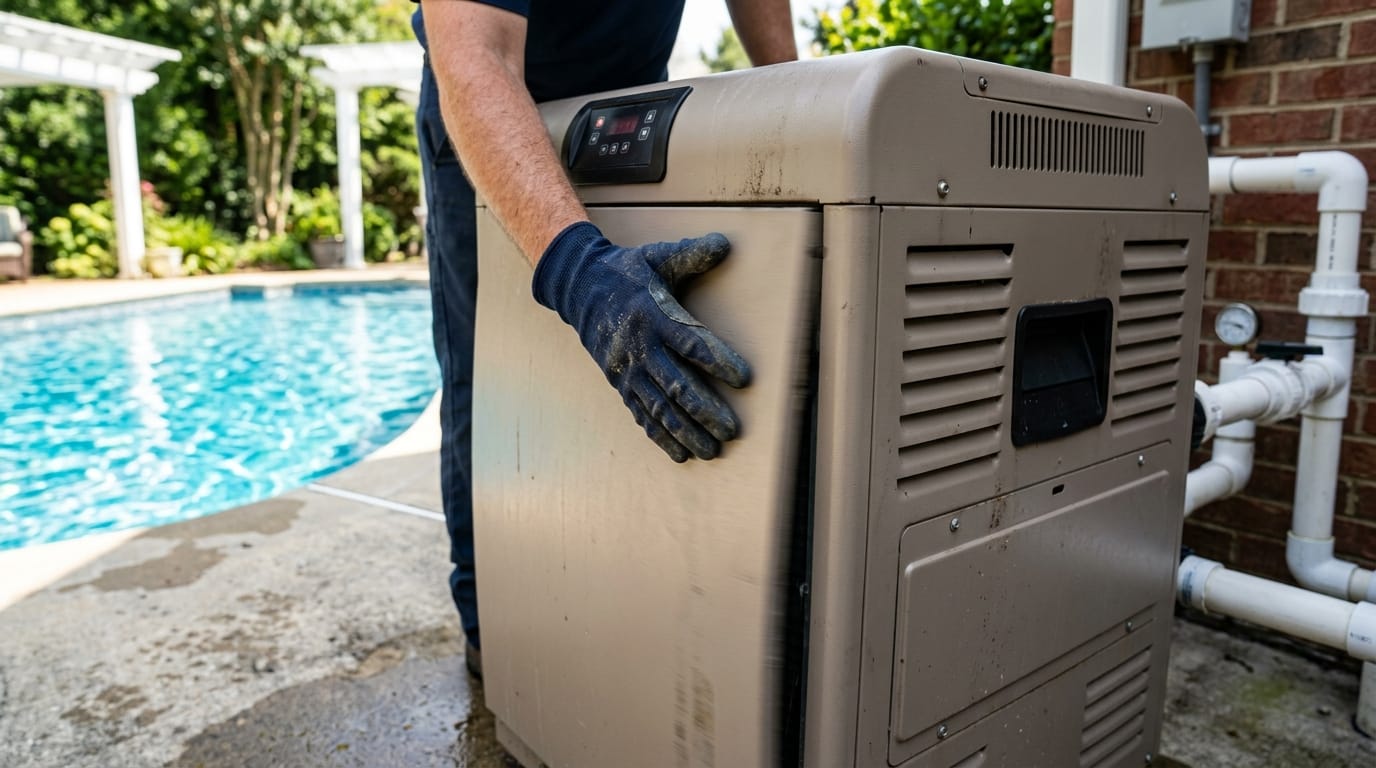
A pool heater should operate with a consistent, low hum, so any sudden change in its acoustic profile warrants immediate investigation. Banging or knocking sounds, often referred to as kettling, typically indicate that mineral scale has accumulated within the heat exchanger. This buildup restricts water flow and causes localized overheating, which can lead to internal pressure issues and eventual component failure. Ignoring these sounds often results in a much higher repair bill or the need for a total system upgrade sooner than expected.
Whistling or high pitched screeching noises generally point toward issues with the air to fuel ratio or a failing internal blower motor. If the blower is struggling to maintain the correct airflow, the unit cannot combust efficiently, leading to wasted energy and potential safety shutdowns. Grinding sounds are equally concerning, as they often signal that the bearings in the fan or motor are worn out. Addressing these mechanical vibrations early can prevent a complete motor seizure, allowing you to opt for a targeted repair rather than a full equipment replacement.
Modern pool heaters are engineered with tighter tolerances, meaning even minor mechanical imbalances can escalate into major system failures if left unchecked. When you notice persistent vibrations or rhythmic thumping, it is a clear sign that internal components have shifted or are nearing the end of its functional lifespan. Professional troubleshooting at this stage is vital for determining whether a simple cleaning and part replacement will suffice or if the unit has reached a point of diminishing returns. Making an informed decision now helps you avoid the frustration of a cold pool and the high costs of emergency mid season service calls.
Detecting Visible Leaks and External Corrosion Damage
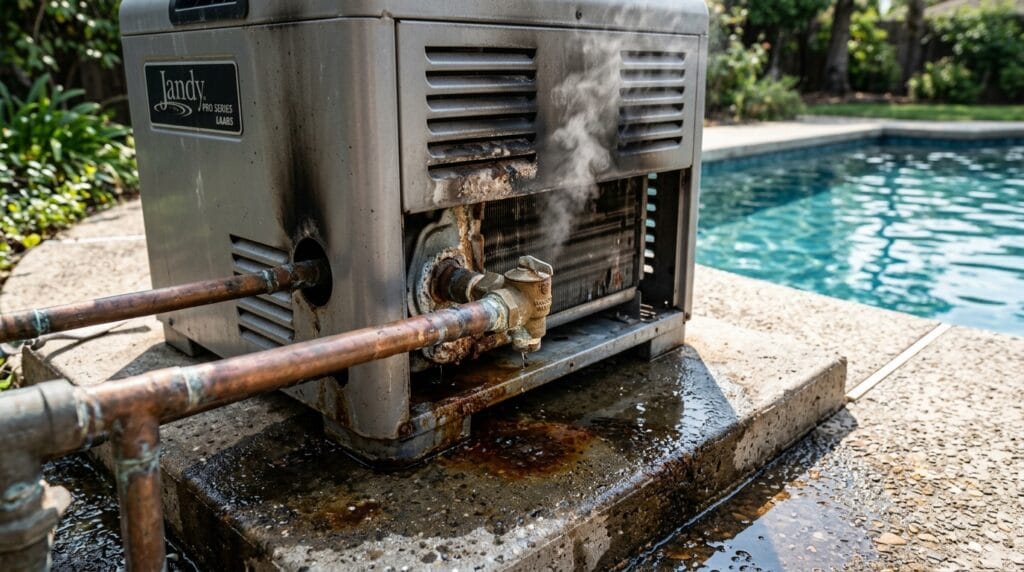
Water pooling around the base of your pool heater is one of the most definitive indicators that the internal components have reached a critical failure point. This moisture often signals a cracked heat exchanger or failing internal seals, which are issues that rarely resolve themselves and typically worsen under pressure. If you notice dampness or standing water during the heating cycle, it is a sign that the structural integrity of your unit is compromised. Ignoring these puddles can lead to electrical shorts or significant structural damage to the surrounding equipment pad. Professional troubleshooting is necessary at this stage to determine if a targeted repair can save the unit or if a full system upgrade is the more cost-effective path forward.
External corrosion and rust spots on the heater cabinet often point toward a more severe internal corrosion issue or venting problem. When the pH and alkalinity of your pool water are not strictly maintained, the acidic water aggressively eats away at the copper heat exchanger from the inside out. This degradation manifests as visible oxidation on the exterior, serving as a warning that the unit is nearing the end of its functional lifespan. Modern heaters are particularly sensitive to these imbalances, and seeing rust usually means the internal damage is already extensive. Addressing these signs early allows you to consult with a technician about high efficiency replacement options before the system fails completely during a peak swimming weekend.
Decoding Error Codes and Unexpected Energy Spikes
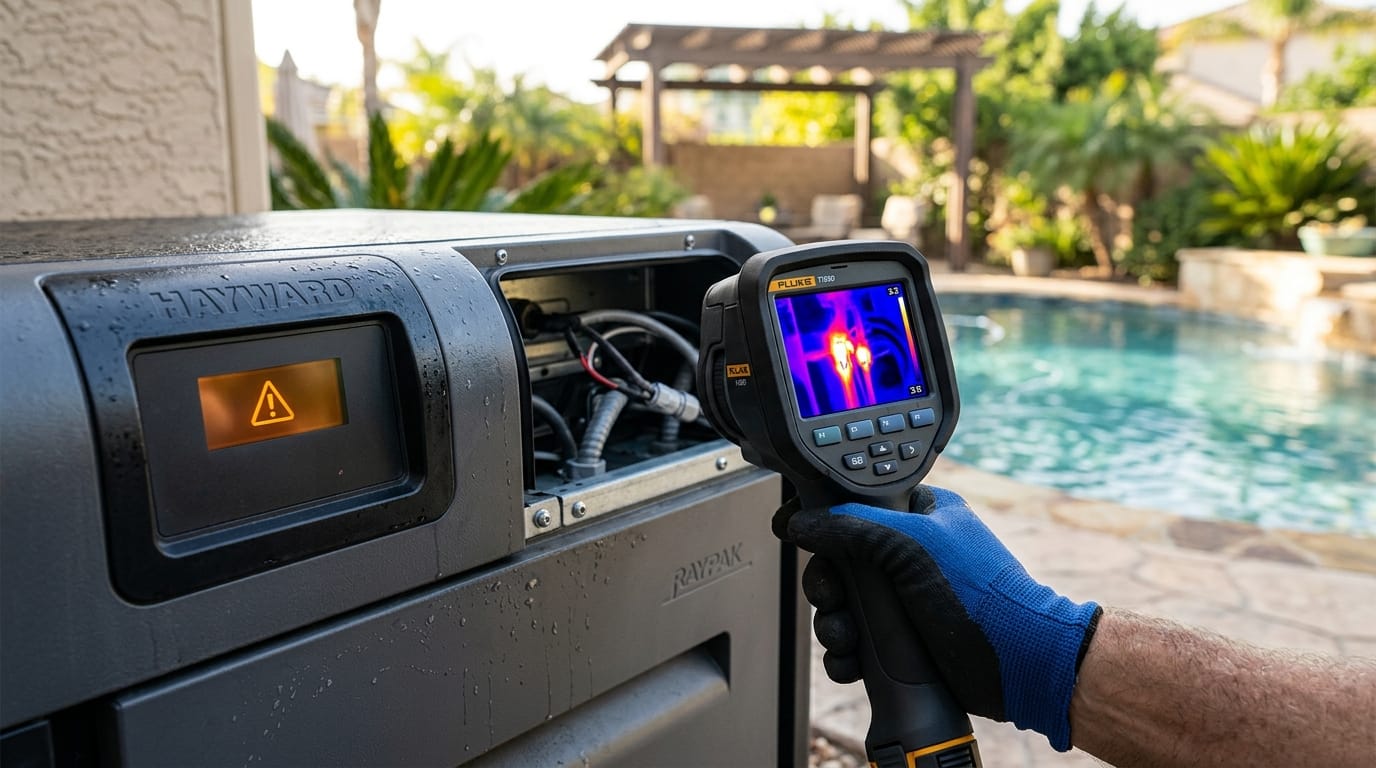
Modern digital displays have simplified the troubleshooting process, but ignoring a flashing error code can lead to a total system collapse. These alphanumeric sequences often point to specific internal failures, such as a faulty pressure switch that prevents the heater from engaging safely. When the pressure switch malfunctions, it fails to detect proper water flow, which can cause the unit to cycle rapidly or refuse to ignite at all. Addressing these digital error codes immediately allows you to decide if a simple component replacement is viable or if the heater is nearing the end of its functional lifespan.
A sudden, unexplained surge in your monthly utility bills is another subtle indicator that your heating system is struggling with internal inefficiencies. When components like the heat exchanger become coated in mineral scale, the unit must work significantly harder and run longer to reach your desired temperature. This increased workload not only wastes energy but also puts excessive strain on the motor and electrical systems, accelerating the need for a full replacement. Tracking these energy spikes helps you weigh the cost of ongoing repairs against the long term savings of upgrading to a more energy efficient model.
Proactive monitoring of these digital and financial red flags is the best way to avoid the stress of a mid season equipment failure. Professional troubleshooting can determine whether a pressure switch error is a standalone issue or a symptom of a larger hydraulic problem within your pool system. By identifying these hidden inefficiencies early, you can make an informed commercial decision about whether to invest in professional repairs or transition to a new unit. High utility costs and persistent error codes are the final warnings your equipment provides before a permanent breakdown occurs.
Act Now to Prevent Costly Heater Failures
Addressing these warning signs early is the most effective way to protect your financial investment and extend the operational life of your equipment. While a diagnostic service call carries an upfront cost, it is significantly less expensive than a total system failure or the high utility bills caused by an inefficient unit. Modern pool heaters are complex machines that require precise calibration to run safely and effectively. Neglecting minor issues like unusual noises or slow heating often leads to a domino effect where one failing component destroys the entire heat exchanger. By acting now, you can ensure your pool remains a comfortable retreat rather than a source of unexpected financial stress.
Scheduling a professional diagnostic service provides the clarity needed to decide between a targeted repair or a strategic equipment upgrade. A qualified technician can assess whether your current unit is worth reviving or if a more energy efficient model would save you more money in the long run. Professional oversight ensures that your gas lines, electrical connections, and water flow sensors are all functioning within safe parameters. Proactive maintenance not only prevents emergency breakdowns during peak swimming season but also gives you peace of mind regarding your home’s safety. Expert intervention is the key to transitioning from a malfunctioning heater to a reliable, high performance backyard environment.
If you are ready to ensure your outdoor space remains in peak condition, our team is here to provide the expert guidance you need. Beyond simple repairs, we specialize in comprehensive upgrades that enhance the value and functionality of your entire property. Discover how our backyard remodel services can help you integrate the latest energy efficient heating technology into a stunning, fully optimized outdoor oasis. Taking the next step with a heated pool contractor for a professional assessment will help you avoid costly mistakes and keep your pool ready for enjoyment year round. Contact us today to explore our services and learn more about pool equipment installation and how we can transform your backyard experience.
Frequently Asked Questions
1. How can I tell if my pool heater has a thermostat failure?
You will notice the heater cycling on and off rapidly or failing to reach your desired temperature setting. These inconsistencies often stem from faulty sensors or a breakdown in communication between the thermostat and the heating element.
2. What causes a pool heater to make strange noises?
Loud whistling, grinding, or banging sounds usually indicate internal mechanical stress or a significant blockage. These noises are often caused by mineral scale buildup on the heat exchanger or debris trapped within the system that restricts proper water flow.
3. Why is my pool heater failing to turn on at all?
A complete failure to start is typically linked to a faulty sensor or a malfunctioning ignition system. In many modern units, the heater will automatically shut down if it detects low water flow caused by a dirty filter or a clogged heat exchanger.
4. How does mineral scale buildup affect my heating efficiency?
Scale acts as an insulating layer on the heat exchanger, which prevents the system from transferring heat effectively to the water. This forces the unit to work harder and run longer, leading to higher utility bills and a shorter overall lifespan for your equipment.
5. Can a dirty pool filter cause my heater to malfunction?
Yes, a clogged or dirty filter restricts the water flow that modern heaters require to operate safely. When flow is insufficient, the heater may shut down or struggle to maintain consistent temperatures to prevent internal overheating.
6. Is it worth repairing an older pool heater?
Catching mechanical issues early can save you from a total system replacement through a simple tune up. However, ignoring signs like corrosion or persistent temperature fluctuations leads to compounding damage that makes a full replacement more cost effective than constant repairs. Many owners also ask is pool automation worth it when considering these long-term equipment investments.