
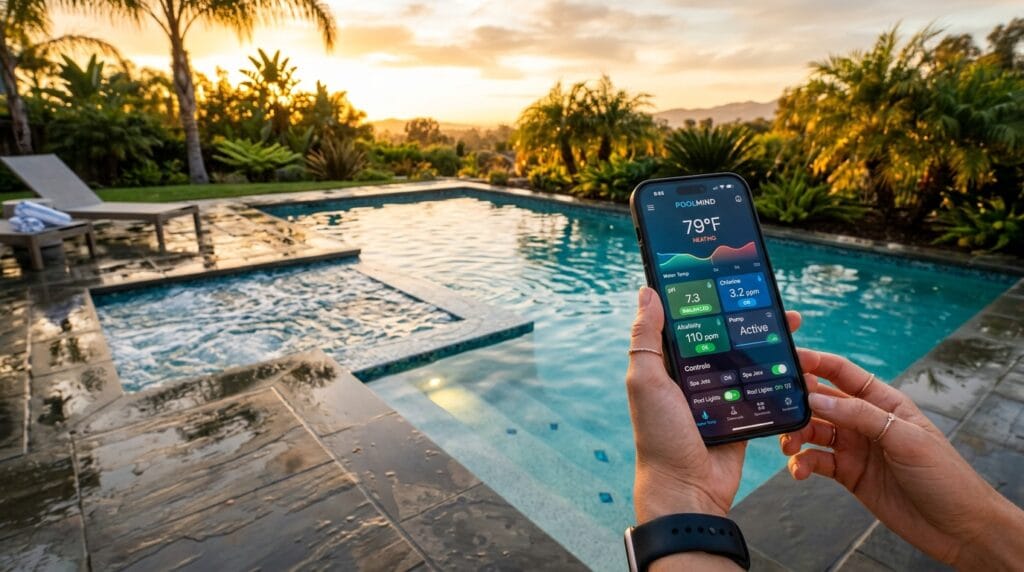
Owning a pool should be about relaxation, yet many homeowners find themselves tethered to a relentless schedule of testing chemicals and adjusting valves. As we move through 2026, the shift toward smart technology has many asking if the high upfront cost of pool automation is worth it for the average household. While the initial investment can be significant, the transition from manual labor to a set it and forget it system is no longer just a luxury. Modern systems now serve as the central nervous system of your backyard, balancing efficiency with effortless enjoyment.
The true value of automation lies in the long-term savings that offset the purchase price over time. By optimizing pump runtimes and heating cycles, these systems can slash monthly utility bills by up to 50%, and in some cases, even more. Beyond the energy savings, automated chemical dispensing extends the lifespan of expensive equipment and prevents costly repairs caused by imbalance. Investing in this technology buys back your weekends and protects your financial investment for years to come.
Key Takeaways
- Pool automation provides a significant return on investment by reducing monthly energy bills by 30% to 50% through the optimization of pump runtimes and heating cycles.
- Smart systems act as a protective insurance policy for backyard infrastructure, extending the lifespan of expensive equipment by maintaining precise chemical balances and preventing mechanical strain.
- Automated chemical dispensing and remote monitoring eliminate the cycle of manual over-correction, reducing chemical waste and preventing costly repairs caused by water imbalance.
- The transition to mobile-controlled automation transforms pool ownership from a labor-intensive chore into a seamless lifestyle experience that increases property value and reclaims personal time.
Analyzing Initial Investment Against Long Term Energy Savings
Deciding whether pool automation is worth the investment requires a clear look at the balance between upfront costs and long-term savings and financial returns. While a high end system can represent an initial investment ranging from 1,500 to over 6,000 dollars, this figure is often offset by rapid utility savings. Modern smart controllers allow for precise management of variable speed pumps and high efficiency heaters, ensuring they only run when necessary. By eliminating the human error of leaving equipment running at peak speeds for too long, homeowners can realistically expect to see their monthly energy bills drop by 30 to 50 percent. In many cases, these savings allow the system to pay for itself within just a few seasons of regular use.
Beyond the immediate reduction in electricity costs, automation provides a significant financial advantage by extending the lifespan of expensive pool equipment. Manual operation often leads to unnecessary wear and tear, as pumps may run at higher RPMs than required or heaters may cycle inefficiently. Automated systems optimize these runtimes and maintain perfect chemical balances through integrated salt systems, which prevents the corrosive damage caused by chemical spikes. This proactive approach reduces the frequency of costly repairs and delays the need for full equipment replacements. When you factor in the 70 percent reduction in energy consumption that some advanced setups achieve, the transition from a manual pool to a smart system becomes a strategic financial upgrade.
Maximizing Equipment Lifespan Through Automated Runtime Optimization
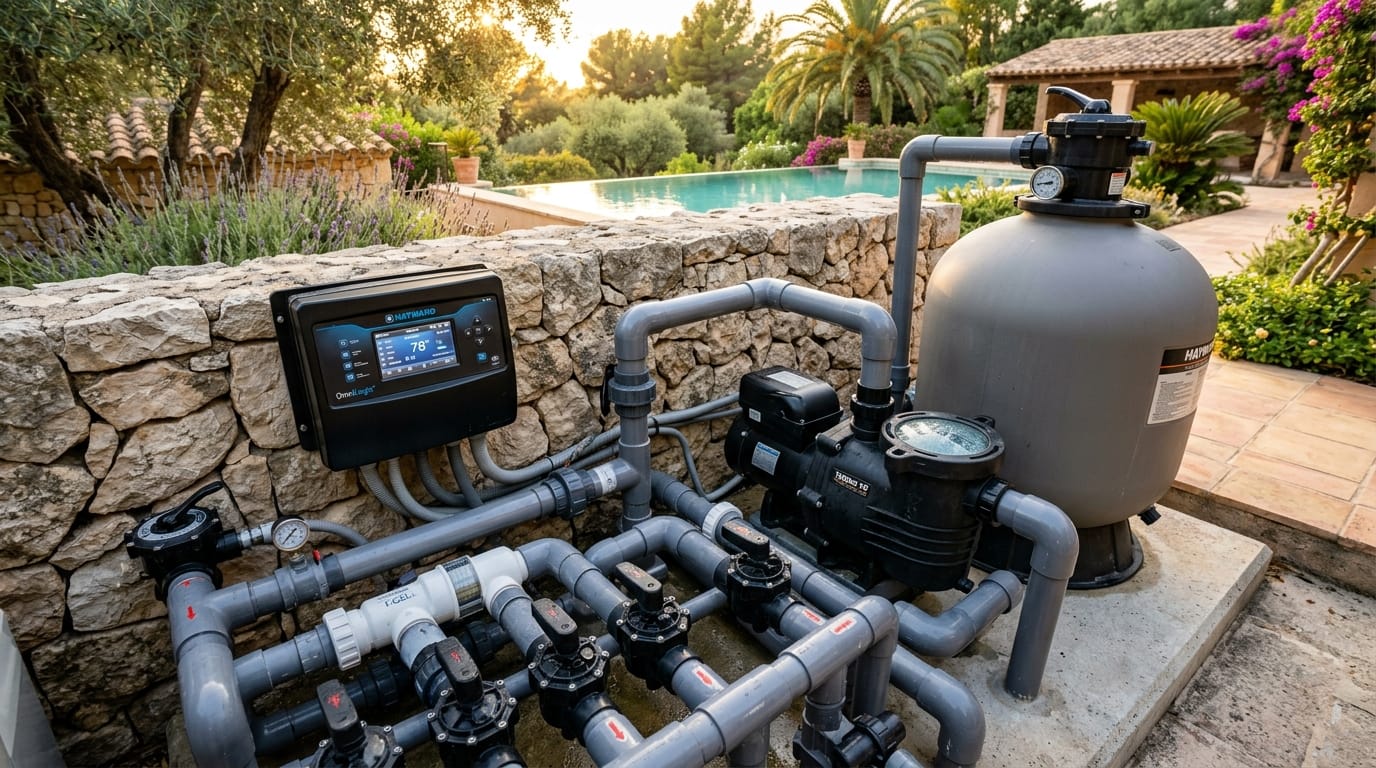
One of the most compelling arguments for the return on investment in pool automation is its ability to shield your most expensive equipment from unnecessary strain. Manual operation often leads to habits where pumps run at high speeds for longer than required or heaters fluctuate wildly to catch up with temperature drops. Automated controllers eliminate this human error by utilizing precision sensors to manage exact runtime cycles based on real time needs. By preventing the constant stop and start cycles that stress internal motors, you effectively delay the need for costly replacements. This proactive management ensures that every dollar spent on high end pumps and filters is protected by a system designed to maximize operational life.
Smart heating schedules provide an additional layer of financial protection by stabilizing the thermal environment of your pool equipment. Instead of forcing a heater to work at maximum capacity for a dozen hours to prepare for a weekend swim, automation maintains consistent, incremental adjustments that are far easier on the heat exchanger. This steady approach prevents the rapid expansion and contraction of components that often leads to premature cracks or leaks in the system. When hardware operates within its intended performance envelope, you see a significant reduction in service calls and emergency repairs. Ultimately, the upfront cost of an automated system is often offset by the years of extra service gained from primary equipment.
Beyond simple scheduling, modern automation systems monitor the flow rates and pressure levels of your filtration setup to ensure optimal performance. If a filter becomes clogged, the system can automatically adjust the variable speed pump to maintain safety or alert you before the motor burns out from overexertion. This level of oversight is particularly valuable for salt chlorine generators and integrated sanitizers, which require precise flow to function without scaling or overheating. By maintaining these ideal conditions 24 hours a day, you are investing in a comprehensive insurance policy for your backyard infrastructure. Choosing to automate is a strategic move that transforms your pool from a high maintenance liability into a streamlined, self preserving asset.
Chemical Precision And Remote Water Quality Management
Maintaining perfect water chemistry has traditionally been one of the most time consuming and expensive aspects of pool ownership. Automated saltwater pools and integrated pH sensors represent a significant shift in how homeowners manage their investment, moving away from manual testing and estimation. By continuously monitoring levels and dispensing exactly what is needed, these systems prevent the common cycle of over-correction that leads to chemical waste. This precision ensures that your water remains crystal clear and safe for swimmers without the constant need for manual intervention. The immediate reduction in chemical purchases provides a tangible return on investment that begins the moment the system is activated.
Beyond simple cost savings, remote water quality management protects the long term integrity of your pool equipment and surfaces. Imbalanced water can lead to costly scale buildup or the gradual erosion of expensive components like heaters and pumps. With automation, you receive real time alerts on your smartphone if levels drift outside the optimal range, allowing for corrections before any damage occurs. This proactive approach extends the lifespan of your entire pool ecosystem, effectively deferring major repair costs for years. Investing in these smart sensors transforms pool maintenance from a reactive chore into a streamlined, professional process.
The transition to a fully automated chemical system is a strategic financial decision for any homeowner looking to maximize property value. Modern buyers increasingly view smart pool technology as a standard expectation, making your home more competitive in the real estate market. By eliminating the risk of algae blooms and equipment failure through consistent monitoring, you are securing your backyard investment against avoidable disasters. The combination of lower monthly utility bills and reduced chemical expenses makes the initial setup costs easy to justify. Choosing to automate today ensures your pool remains a source of relaxation rather than a financial or logistical burden.
Lifestyle Value And The Convenience Of Mobile Control
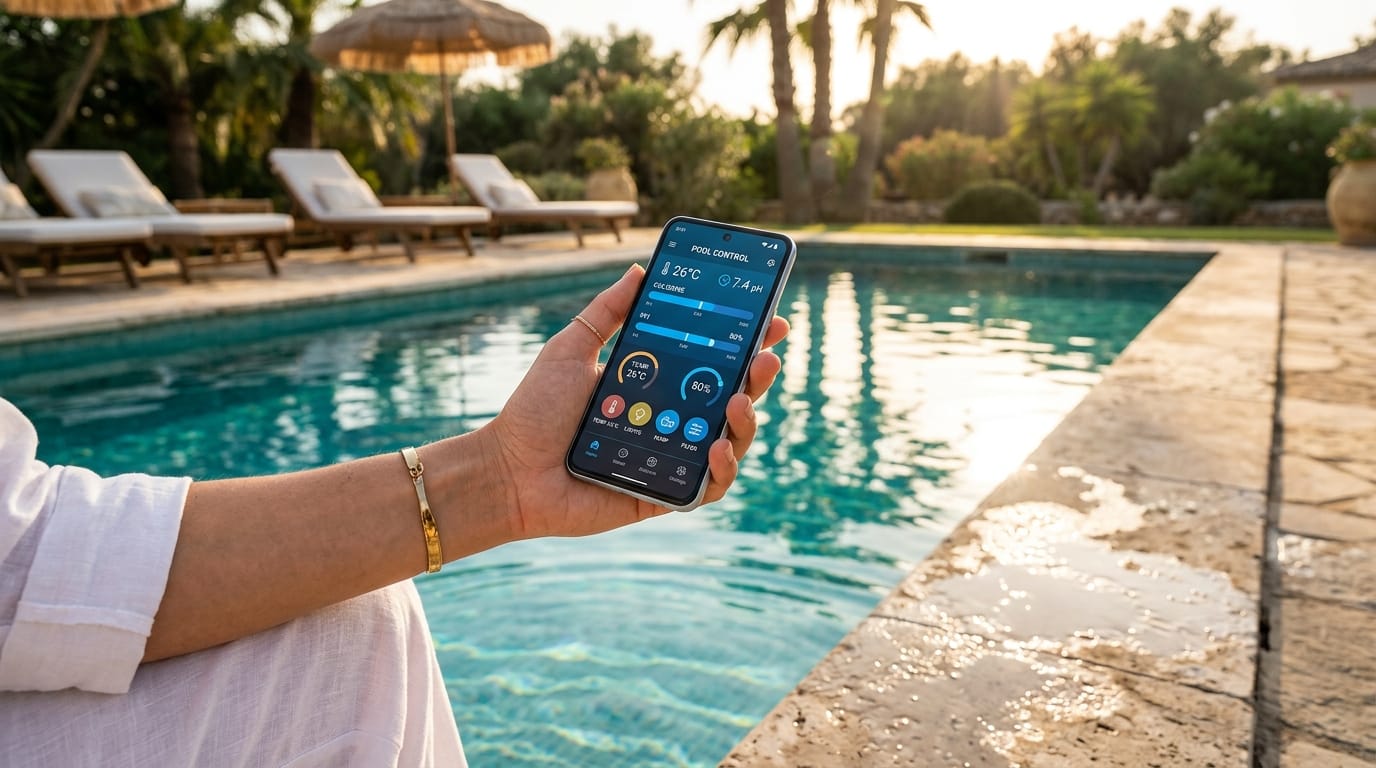
The primary appeal of pool automation lies in its ability to transform a demanding chore into a seamless, push-button experience. Instead of manual trips to the equipment pad to adjust valves or prime the pump, homeowners can now manage every critical function through a centralized mobile app. This level of control allows you to preheat the spa while you are still at the office or activate water features just as guests arrive for a dinner party. By removing the physical friction of maintenance, you ensure that your investment is always ready for use without the typical lead time or effort. This convenience factor is a significant driver for modern buyers who prioritize time as a valuable asset.
Beyond the simple luxury of remote control, smart systems provide a level of precision that manual operation cannot match. Mobile integration allows you to monitor chemical levels and filtration cycles in real time, ensuring the water remains crystal clear even when you are away on vacation. This proactive management prevents the costly scenarios that often require expensive shock treatments and professional intervention. When you evaluate the time saved on routine tasks and the peace of mind gained from constant connectivity, the initial setup cost becomes a secondary consideration. The ability to fine tune energy consumption and equipment runtimes from your phone provides a tangible return on investment through lower monthly utility bills.
Ultimately, the decision to automate is about maximizing the enjoyment of your outdoor living space while minimizing technical overhead. A smart system acts as a digital concierge, handling the complex timing of salt chlorination and heater cycles so you can focus on relaxation. This shift from reactive maintenance to proactive, automated care extends the lifespan of expensive equipment by preventing unnecessary wear and tear. For most homeowners, the transition to a smart pool is about reclaiming hours of their weekend. When your pool manages itself, the value of that reclaimed time quickly justifies the cost of the installation.
Balancing Cost, Savings, and Lifestyle Value
Ultimately, determining if pool automation is worth it comes down to balancing the upfront investment against long-term operational savings and lifestyle convenience. While the initial equipment and installation costs can be significant, the ability to reduce energy consumption by up to 70 percent through optimized pump and heater schedules provides a clear path to a return on investment. Beyond the financial data, the functional value of managing your salt system or water temperature from a smartphone ensures your pool is always ready for use without constant manual labor. These smart upgrades act as a protective measure for your equipment, extending the lifespan of expensive components by preventing unnecessary wear and tear.
Modern homeowners are increasingly viewing these smart systems as essential components of a high performing backyard rather than optional luxuries. By automating chemical dosing and filtration cycles, you eliminate the guesswork that often leads to expensive water chemistry corrections or algae blooms. This proactive approach to maintenance not only saves money on supplies but also preserves the aesthetic appeal and safety of your swimming environment. Transitioning to a fully integrated system is a strategic move that enhances property value while giving you back hours of personal time every week. To see how these smart technologies can be integrated into your home, discover how professional backyard remodel services can transform your approach to pool automation.
Frequently Asked Questions
1. What is the typical upfront cost for a pool automation system?
You can expect to invest anywhere from 1,500 to over 6,000 dollars for high end equipment and professional installation. While this initial price point is significant, the system acts as a central nervous system for your backyard to ensure peak performance.
2. How much can I realistically save on my monthly utility bills?
Automated systems can slash your monthly energy costs by 30 to 50 percent by optimizing pump runtimes and heating cycles. By eliminating human error and running variable speed pumps only when necessary, the system often pays for itself through these consistent savings.
3. Does automation help extend the lifespan of my pool equipment?
Yes, automated chemical dispensing maintains a precise balance that prevents the corrosive damage caused by chemical spikes. This constant monitoring protects your expensive heaters and pumps from premature wear and saves you from costly long term repairs. Working with a reputable Pool Contractor In Los Angeles ensures that your automation system is calibrated correctly for your specific climate and equipment needs.
4. Is pool automation a luxury or a practical investment for 2026?
Modern smart technology has transitioned automation from a luxury into a practical financial tool for the average household. It protects your financial investment while buying back your personal time by replacing manual labor with a set it and forget it system.
5. Can an automated system manage my pool heater efficiently?
Smart controllers provide precise management of high efficiency heaters to ensure they only operate during necessary cycles. This prevents the wasted energy of heating the water during off peak hours or when the pool is not in use. For those looking to optimize their setup, following a pool heater installation guide can ensure your system is configured for maximum efficiency.
6. How does automation improve the daily experience of pool ownership?
It transforms your pool into a source of relaxation rather than a list of chores by handling the relentless schedule of testing chemicals and adjusting valves. You gain the freedom to enjoy your backyard without being tethered to a manual maintenance routine.
7. Will a smart pool controller work with my existing variable speed pump?
Most modern automation systems are designed to integrate seamlessly with variable speed pumps to maximize efficiency. This combination allows for the most dramatic reductions in power consumption and overall operating costs.