
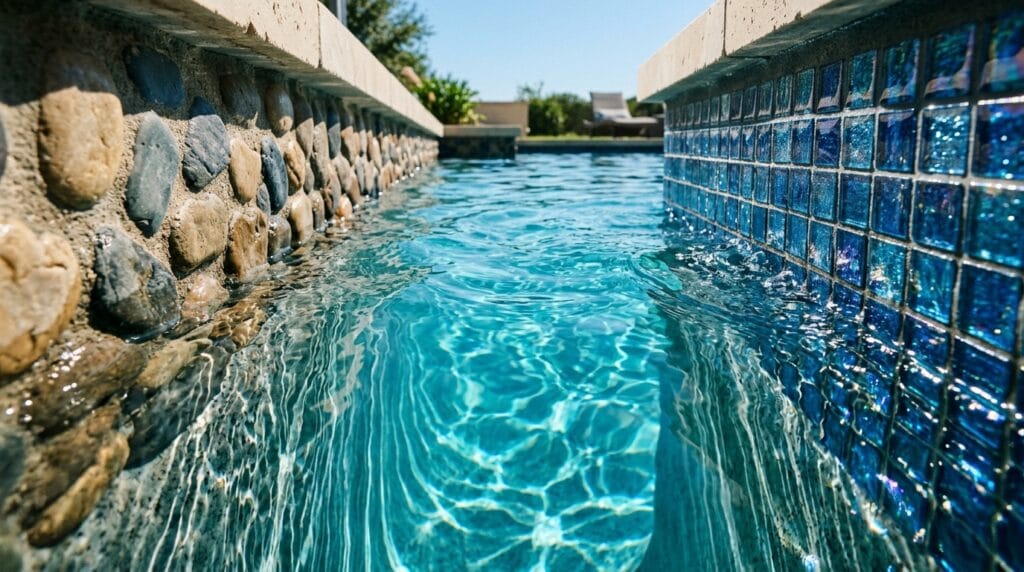
Choosing the right interior finish is the most critical decision in defining a pool’s personality and long-term performance. The choice between pebble and glass tile often pits the rugged, organic beauty of a natural riverbed against the shimmering, high-end sophistication of a modern oasis. While both materials offer exceptional resistance to chemicals and fading, they provide different sensory experiences. Homeowners must weigh the tactile grip of an aggregate surface against the silky smoothness of premium glass.
Recent innovations have allowed for a more integrated approach to pool design. It is no longer necessary to choose one over the other, as new product lines are specifically engineered to blend textured aggregates with iridescent accents. This evolution allows for a customized balance of durability and luxury that fits both the budget and the aesthetic vision. Finding the balance between maintenance requirements and visual impact is the key to a backyard retreat that lasts for decades.
Key Takeaways
- Pebble aggregate finishes provide a rugged, slip-resistant surface that mimics a natural riverbed and offers exceptional durability exceeding twenty years of service life.
- Non-porous glass tile offers a high-end, iridescent aesthetic that is inherently resistant to algae, staining, and chemical absorption while remaining silky smooth on the skin.
- A hybrid design approach—using pebble for the pool floor and glass tile for waterlines and tanning ledges—maximizes both cost-efficiency and visual impact.
- While glass tile requires a higher upfront investment in specialized labor and materials, its long-term maintenance is simplified by its superior resistance to fading and scaling.
Comparing Pebble Durability and Glass Tile Maintenance
When investing in a high-end pool renovation, the longevity of fortified stone finishes offers a compelling argument for those seeking a permanent solution. These aggregate finishes utilize naturally tumbled stones and specialized cement to create a surface that can easily exceed twenty years of service life. Because the material is chemically inert and physically robust, it resists the wear and tear associated with heavy UV exposure and fluctuating water chemistry. This durability makes it an ideal choice for large-scale installations where structural integrity and a natural, riverbed aesthetic are the primary goals. The textured surface also provides built-in slip resistance that enhances safety without sacrificing the premium feel of a luxury oasis.
Premium glass mosaics offer a different set of maintenance advantages for those prioritizing a pristine, vibrant water appearance. As a non-porous material, glass tile is inherently resistant to algae growth, calcium scaling, and deep-set staining that can sometimes affect traditional surfaces. This lack of porosity means that the tiles do not absorb pool chemicals, allowing the iridescent colors to remain vivid and clear for decades. While the initial installation requires a higher level of precision and craftsmanship, the long-term upkeep is simple, usually requiring only a gentle wipe to maintain its reflective brilliance. The smooth finish is also exceptionally gentle on the skin, providing a sophisticated tactile experience that complements its modern visual appeal.
Choosing between these two premium materials often involves a strategic integration of both to maximize performance and style. Many sophisticated designs now incorporate glass tile along the waterline or on tanning ledges to provide easy cleaning where debris often collects, while using fortified pebble for the main pool floor. This hybrid approach allows property owners to benefit from the rugged, long-lasting nature of stone alongside the stain-resistant properties of glass. By understanding the specific maintenance profiles of each finish, a combination can be selected that aligns with specific lifestyle and aesthetic preferences. Ultimately, both materials represent the pinnacle of pool surfacing, ensuring that the investment remains a centerpiece of the home for the next twenty years.
Natural Riverbed Aesthetics vs Modern Iridescent Brilliance
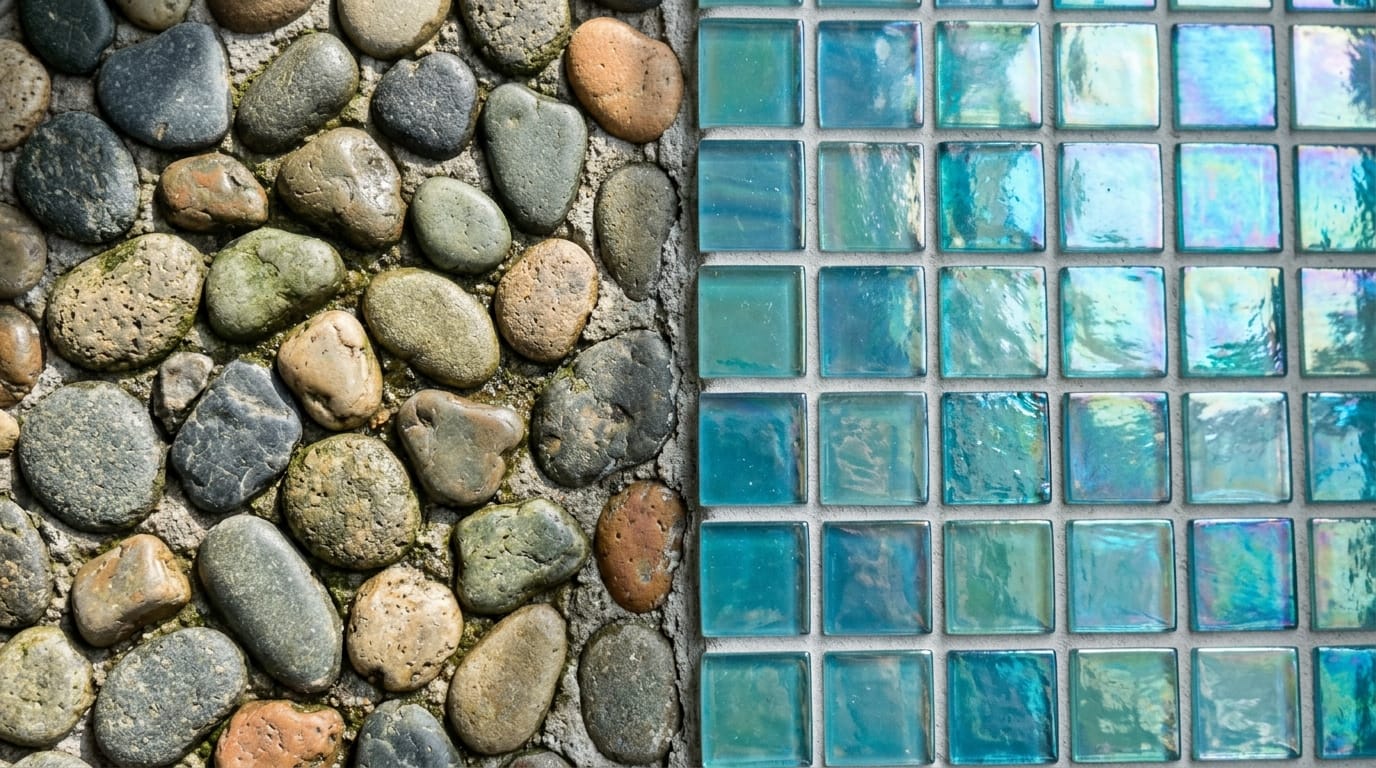
Choosing a pebble finish transforms a pool into an organic retreat that mimics the serene beauty of a natural riverbed. These aggregate surfaces provide a grounded, earthy aesthetic that blends seamlessly with rustic landscaping and stone water features. The texture is intentionally tactile, offering a slip resistant surface that feels substantial while hiding minor debris and chemical fluctuations. Homeowners seeking a timeless, rugged look often gravitate toward these finishes because they evoke a sense of permanent, natural architecture. The depth of color in a pebble finish creates a soft, matte water reflection that feels private and tranquil.
Full glass tile installations represent the pinnacle of modern luxury, offering a sophisticated shimmer that pebble finishes cannot replicate. Every individual tile acts as a prism, capturing sunlight and dispersing it into brilliant, iridescent patterns across the water. This material provides a perfectly smooth surface that is gentle on the skin, making it a preferred choice for high end lounging areas and tanning ledges. The reflective properties of glass create a vibrant effect that makes the pool the undisputed centerpiece of the property. While pebble finishes lean toward the organic, glass tile leans toward a polished, architectural brilliance that defines contemporary design.
Recent innovations have allowed designers to merge these two distinct styles, offering a middle ground for those who appreciate both natural textures and modern flair. By integrating glass beads directly into a premium aggregate base, the durability of a pebble finish can be achieved with the added sparkle of light reflecting glass. This hybrid approach allows for a customized shimmer that changes throughout the day as the sun moves across the sky. Whether choosing the solid, textured reliability of a riverbed look or the high fashion glow of glass, both materials offer exceptional resistance to fading and chemical wear. Selecting between them ultimately depends on whether the goal is a rugged, naturalistic sanctuary or a bright, high performance showpiece.
Balancing Installation Costs and Long Term Value
Choosing between a high-quality aggregate finish and a full glass tile installation requires an understanding of how upfront investment impacts long-term property value. While both options are considered premium pool finishes, glass tile represents the pinnacle of luxury with a price point that reflects its complex installation process. Each individual tile must be hand-laid by skilled artisans, leading to labor costs that can increase the total project budget. For clients seeking a modern, iridescent glow, this entry cost is often justified by the material’s unmatched shimmer and smooth texture.
High-quality pebble finishes offer a more accessible yet equally sophisticated investment for those who prioritize a natural, riverbed aesthetic. These aggregate finishes are less labor-intensive than hand-set tile, allowing for a faster installation timeline without sacrificing durability or visual appeal. Recent innovations in pool finishes have even allowed for the integration of glass beads directly into the pebble mix, providing a touch of that signature glass brilliance at a lower cost. This hybrid approach allows property owners to allocate their budget toward other luxury features while still achieving a high-end, textured look that stands up to chemical wear.
Ultimately, the decision rests on balancing the immediate desire for a specific aesthetic with the long-term maintenance and resale considerations of the pool. Glass tile is virtually impervious to staining and fading, potentially offering lower chemical maintenance costs over several decades of use. Conversely, a premium pebble finish provides superior slip resistance and a rugged durability that is ideal for high-traffic environments. By partnering with a pool renovation company you can trust, discerning clients can select a finish that aligns with both their design vision and their financial goals.
Integrating Glass Accents With Pebble Aggregate Finishes
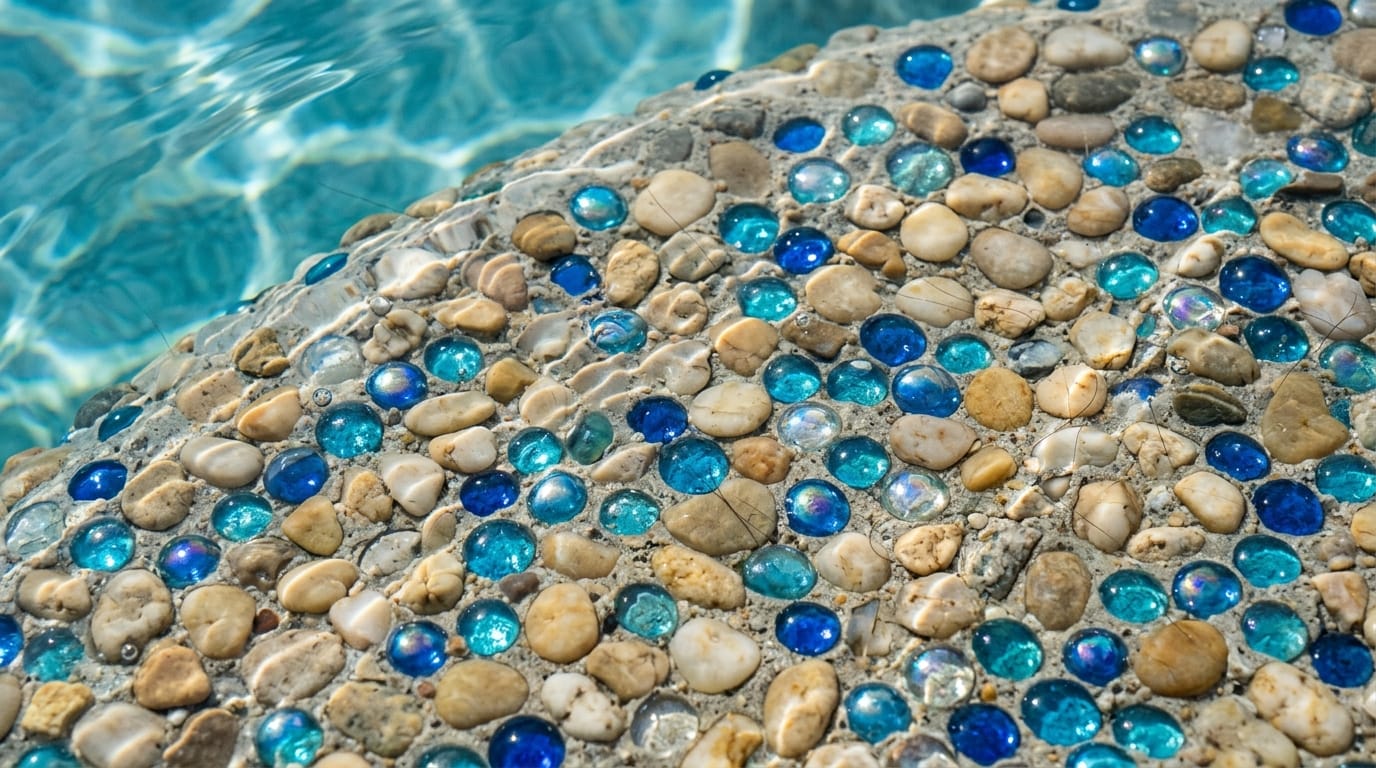
Homeowners planning high end pool renovations are increasingly moving away from choosing just one material, instead opting for a sophisticated blend of pebble aggregate and glass tile. While pebble finishes offer a rugged, natural durability and a slip resistant texture, glass tile provides an iridescent shimmer that elevates the overall aesthetic of the water. By integrating glass tile along the waterline and on the edges of steps, a visual bridge is created between the organic feel of the pool floor and the sleek architecture of the surrounding deck. This hybrid approach allows for the cost effectiveness of a pebble interior without sacrificing the premium, jewel like appearance that only glass can provide.
The decision between these two materials often comes down to balancing tactile comfort with long term maintenance requirements. Glass tile is exceptionally smooth on the skin and highly resistant to chemical staining, making it the ideal choice for high touch areas like tanning ledges and bench seating. Conversely, pebble aggregate provides a robust, textured surface that mimics a natural riverbed and hides minor debris more effectively than a solid tiled surface. Combining these elements ensures that the pool remains a low maintenance asset while still featuring the high gloss accents that define modern luxury. This strategic placement of glass helps to catch the sunlight at the surface, creating a dynamic play of light that enhances the deep colors of the pebble finish below.
Selecting the right color palette is essential when merging these two distinct textures to ensure a cohesive and intentional design. Contemporary trends favor monochromatic schemes where the glass tile shifts in hue just enough to provide a subtle contrast against the aggregate background. For example, pairing a deep navy pebble finish with translucent cobalt glass tiles creates a sense of depth and sophistication that a single material cannot achieve alone. This design strategy not only increases the resale value of the property but also allows for a customized artistic expression. By investigating best pool resurfacing options, a balance of durability, safety, and visual appeal is achieved.
Choosing Between Organic Texture and Modern Shimmer
Ultimately, the choice between pebble and glass tile depends on whether the priority is a rugged, organic aesthetic or a polished, contemporary shimmer. Homeowners seeking a naturalistic oasis that mimics the feel of a mountain stream will find pebble finishes to be a superior choice, offering durability and a slip-resistant texture. On the other hand, those aiming for a high-end, resort-style finish should opt for glass tile, which provides a smooth, iridescent surface that reflects light beautifully. While glass represent a larger upfront investment in both materials and specialized labor, its resistance to staining and luxurious feel underfoot make it a standout for modern architectural designs.
Modern pool design no longer requires choosing just one material, as many premium projects now integrate both for a sophisticated, multi-dimensional look. A durable pebble finish can be used for the main pool floor while utilizing vibrant glass tile accents for the waterline, steps, or tanning ledges to maximize visual impact. This hybrid approach allows for an effective budget balance while still achieving a high-end, custom appearance that elevates the entire outdoor living space. Professional pool renovation services can help achieve these goals through expert material selection and precision craftsmanship.
Frequently Asked Questions
1. Which pool finish offers better long term durability?
Pebble finishes are exceptionally robust and can easily exceed twenty years of service life due to their use of naturally tumbled stones and specialized cement. These materials are chemically inert and physically resistant to the wear caused by heavy UV exposure and fluctuating water chemistry.
2. Is glass tile more difficult to maintain than a pebble surface?
Glass tile requires specific maintenance to prevent calcium buildup and scale from dulling its iridescent surface. While it offers a silky smooth texture and high end sophistication, water chemistry must be monitored to preserve its shimmering aesthetic over time.
3. How do these two materials differ in terms of safety and texture?
Pebble surfaces provide a rugged, organic texture that offers built-in slip resistance for added safety underfoot. In contrast, premium glass mosaics are prized for being silky smooth, offering a luxurious and gentle feel that is less abrasive than stone aggregates.
4. Can I combine both pebble and glass tile in my pool design?
Yes, modern product lines are specifically engineered to blend textured aggregates with iridescent glass accents. This integrated approach allows for a customized balance of durability and luxury to fit a specific budget and aesthetic vision.
5. Which finish is better for achieving a natural aesthetic?
Pebble finishes are the ideal choice to mimic the organic beauty of a natural riverbed. The use of fortified stone creates an earthy, rugged look that blends seamlessly with outdoor landscapes and large scale installations.
6. Does glass tile provide a better visual impact than pebble?
Glass tile offers a level of shimmering sophistication and modern luxury that is difficult to match with natural stone. It creates a high end oasis effect by reflecting light, though new hybrid products now allow for these iridescent qualities to be added to traditional pebble finishes. If your existing tile becomes damaged or loose, Contact Us to find the best pool tile repair Los Angeles has to offer ensures your investment remains pristine.